7 Best Urban Street Art Sculpture Trends for Global Buyers

Time:2026-10-16 Author:Charlotte
0%

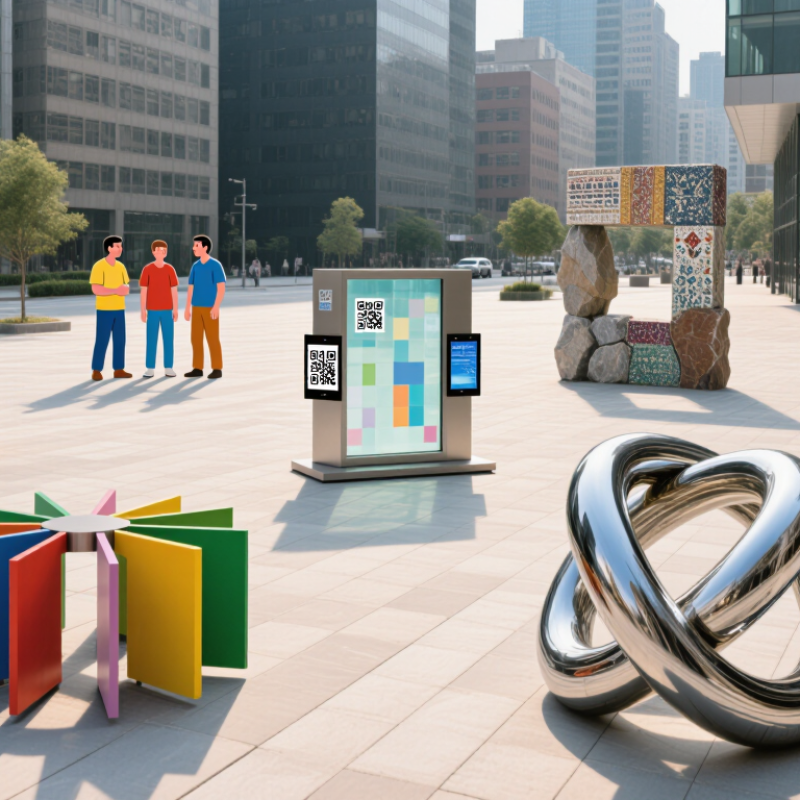
Urban street art sculptures are moving beyond decorative landmarks. They now combine public storytelling, digital interaction, sustainable materials, and memorable photography. The question, “What are the latest trends in urban street art sculptures?” matters to global buyers planning parks, retail districts, hotels, and cultural projects. Buyers increasingly want works that feel local, withstand weather, and remain visually strong on mobile screens.

The Art Basel and UBS Art Market Report 2024 valued global art sales at approximately $65 billion, despite a reported 4% annual decline. This broader market signal encourages careful purchasing rather than impulsive installation. In the United States, the Arts & Economic Prosperity 6 study reported $151.7 billion in economic activity from nonprofit arts and culture in 2022. Public sculpture is not measured separately, however. The market remains imperfectly documented. That limitation deserves honesty.

Public-art scholar Cameron Cartiere writes, “Public art is art that is created for, with, and by the public.” Her principle helps explain current demand for participatory sculptures, inclusive figures, recycled steel, kinetic forms, and augmented-reality layers. Buyers are also examining maintenance records, accessibility, artist reputation, and documented community engagement. A polished finish is not enough. A huge sculpture can still feel emotionally empty. The strongest projects often show fingerprints, regional stories, and small imperfections. This guide examines seven sculpture trends shaping international purchasing decisions, from climate-conscious fabrication to interactive urban monuments. It also considers where enthusiasm may outrun evidence, because novelty does not automatically create lasting public value.
7 Best Urban Street Art Sculpture Trends for Global Buyers

Defining Urban Street Art Sculpture in the Global Market

Urban street art sculpture now sits between public culture, interior design, and international trade. Global buyers often seek bold forms with local meaning. Popular trends include oversized human figures, geometric animals, kinetic structures, modular walls, recycled metal, illuminated frames, and textured concrete pieces. These works transform plazas, hotels, galleries, and private gardens.

Defining quality requires more than visual impact. Buyers should examine material grades, welding details, surface protection, installation weight, and expected maintenance. A steel sculpture may need anti-corrosion treatment for humid coastal locations. Stone requires careful packing and suitable foundations. Outdoor lighting also needs certified components and weather-resistant housing. Clear provenance, an artist statement, and documented dimensions improve professional trust across markets.

Cultural context matters too. A symbol that feels playful in one city may seem insensitive elsewhere. Local consultants can review imagery before production or public display. Accessibility, pedestrian movement, and municipal permissions deserve attention. Not every rough weld is a flaw. It can show the maker’s hand and support an authentic street-art character. Still, uneven finishing may signal weak quality control. That distinction is difficult, and buyers sometimes judge too quickly. A reliable supplier should provide drawings, material samples, installation guidance, and realistic delivery terms. Global buyers are not purchasing decoration alone. They are purchasing meaning, durability, and a safe relationship with public space.

Recycled Materials and Sustainable Sculpture Design

7 Best Urban Street Art Sculpture Trends for Global Buyers

Recycled materials are reshaping urban sculpture design. The most convincing works use discarded steel, timber, glass, tires, or construction fragments with visible traces of their previous lives. UNEP’s Global Resources Outlook 2024 reports that global resource extraction has tripled over the past five decades. It may rise another 60% by 2060. This pressure makes material efficiency more than an aesthetic choice. It becomes a purchasing criterion.

For global buyers, seven trends stand out: modular sculptures, reclaimed metal forms, recycled-plastic mosaics, salvaged timber figures, low-carbon concrete, repairable kinetic structures, and solar-lit installations. Modular joints simplify transport and future repairs. A sculpture with bolted panels can replace one damaged section, rather than the entire piece. That detail matters in public spaces. The OECD reported that only about 9% of plastic waste was successfully recycled worldwide between 1950 and 2019. Therefore, buyers should request traceable material sources, recycled-content percentages, and end-of-life plans.

Small details reveal professional quality. Look for rounded edges, sealed timber, drainage gaps, and coatings suitable for local weather. A supplier should provide maintenance schedules and structural documentation. Certification helps, but it does not replace inspection. Some “green” sculptures still combine inseparable materials, making recycling difficult later. That weakness deserves honest discussion. Sustainable design is not automatically sustainable performance. A better specification includes repair access, replaceable lighting, low-toxicity finishes, and documented transport emissions. The result should feel tactile: rain marks on aged steel, warm wood grain, or colored glass catching evening traffic.

Interactive Installations for Public Spaces and Smart Cities

Interactive street sculptures are becoming practical tools for public spaces and smart cities. They invite movement, conversation, and shared discovery.

The United Nations reports that 56% of people lived in urban areas in 2021. This share may reach 68% by 2050. Public art must therefore serve denser, more diverse communities. Responsive sculptures can change light, sound, or motion when people approach. Sensors may also display air quality, noise levels, or pedestrian activity. The McKinsey Global Institute found that smart-city applications can improve key quality-of-life indicators by 10–30%. However, technology alone does not create meaningful places. A glowing object can still feel cold, confusing, or intrusive.

Tips: Choose weather-resistant materials. Provide visible safety instructions. Test brightness at night. Offer quiet interaction modes. Protect personal data. Ask local residents before final fabrication.

Strong projects give visitors control. A child might turn a handwheel and create soft blue waves across a metal surface. Commuters could trigger patterns without touching the installation. This reduces maintenance and supports accessibility. Designers should include wheelchair-friendly reach zones, tactile feedback, and clear visual signals. ISO 21542 accessibility guidance can support these decisions. Yet standards cannot replace observation. Designers may misread how people behave in real streets. A prototype should remain imperfect long enough for public feedback. That is uncomfortable, but useful. Global buyers should request maintenance plans, energy calculations, sensor policies, and evidence from comparable climates.

7 Best Urban Street Art Sculpture Trends for Global Buyers - Interactive Installations for Public Spaces and Smart Cities
Urban Art Trend Core Experience Common Interaction Method Typical Installation Scale Recommended Materials Smart-City Integration Accessibility Features Operational Considerations Best-Fit Public Spaces
1Sensor-Responsive Light Sculptures Light intensity, color, or movement changes in response to pedestrian activity, ambient light, or environmental conditions. Motion sensorsProximity sensorsProgrammable LEDs 3–12 m high; suitable for plazas, gateways, and civic forecourts. Marine-grade aluminum, stainless steel, polycarbonate diffusers, sealed LED modules. Can receive anonymized footfall, daylight, weather, or air-quality data through a local control system. Low-glare lighting, adjustable brightness, clear circulation routes, and high-contrast visual cues. Requires weatherproof electrical enclosures, scheduled software checks, and periodic cleaning of optical surfaces. Transit plazas, cultural districts, waterfront promenades, and smart-city demonstration areas.
2Kinetic Wind and Motion Installations Physical elements move naturally with wind or through controlled mechanical systems, creating a continuously changing silhouette. Wind movementLow-speed motorsMechanical linkages 2–10 m high; footprint commonly ranges from 10–80 m². Stainless steel, anodized aluminum, engineering plastics, corrosion-resistant bearings. Motion data can be logged for preventive maintenance; selected projects use wind-speed and vibration sensors. Protected moving parts, tactile-free safety zones, audible warning elements, and unobstructed approach paths. Requires structural engineering, wind-load assessment, bearing inspection, and safe clearance around moving components. Open squares, parks, university campuses, coastal districts, and large pedestrian corridors.
3Augmented-Reality Sculpture Trails Physical sculptures act as anchors for digital overlays, animated narratives, historical information, or location-based games. QR markersWeb ARGeolocation Individual sculptures of 1.5–5 m; trails may extend across several city blocks. Powder-coated steel, stone, cast aluminum, ceramic, UV-stable graphics, and tamper-resistant markers. Can connect to open cultural-data platforms, multilingual content systems, and pedestrian navigation services. Mobile-friendly text alternatives, captions, audio descriptions, large-format interpretation, and non-digital information panels. Digital content needs regular browser testing, cybersecurity review, link maintenance, and privacy-conscious analytics. Historic centers, tourism routes, museum districts, public libraries, and educational campuses.
4Participatory Touch and Sound Sculptures Visitors activate tones, textures, lighting effects, or short visual sequences through touch, pressure, or proximity. Capacitive touchPressure padsDirectional audio 1.5–4 m high; interactive surfaces commonly cover 4–25 m². Rounded stainless steel, impact-resistant panels, sealed speakers, tactile-grade coatings. Usage levels can be measured in aggregate to inform programming and maintenance without identifying individuals. Multiple operating heights, tactile symbols, captioned sound content, hearing-loop compatibility, and wheelchair access. Needs anti-vandal hardware, acoustic-volume limits, drainage design, and frequent inspection of touch surfaces. Family plazas, community centers, school grounds, libraries, and inclusive-design districts.
5Modular and Reconfigurable Sculpture Systems Interchangeable modules allow cities to refresh visual layouts, create seasonal programs, or expand installations over time. Manual reconfigurationPlug-and-play lightingReplaceable panels Modules typically measure 0.5–2.5 m; complete installations may cover 20–150 m². Recycled aluminum, galvanized steel, recycled HDPE, durable composite panels, and removable ballast systems. Digital asset registers can track module location, service history, electrical load, and replacement requirements. Maintainable layouts, removable obstacles, clear wayfinding, and configurable content for different languages. Requires secure connections, standardized parts, storage planning, and documented assembly procedures. Temporary plazas, festivals, redevelopment zones, retail streets, and flexible civic spaces.
6Climate-Responsive and Water-Sensitive Sculptures Artworks reveal or support climate processes such as rainfall, shade, evaporation, water collection, or temperature change. Rain sensorsWater flowTemperature data 2–8 m high; landscape-integrated installations may occupy 30–300 m². Stone, stainless steel, ceramic, permeable paving, recycled glass, and UV-resistant membranes. Can display local weather, water-level, heat-island, or rainfall information using real-time environmental inputs. Non-slip surfaces, accessible paths, clear edge protection, low water pressure, and visible safety signage. Requires seasonal drainage inspection, water-quality management, freeze protection where applicable, and slip-risk control. Climate-resilient parks, waterfronts, rain gardens, green corridors, and urban regeneration projects.
7Solar-Powered Nighttime Landmark Sculptures Off-grid or partially off-grid sculptures provide a low-energy nighttime presence while expressing local identity. Solar chargingBattery controlTime scheduling 2–15 m high; solar arrays may be integrated into canopies, fins, or surrounding landscape elements. Powder-coated aluminum, stainless steel, laminated glass, photovoltaic panels, and lithium-iron-phosphate battery systems. Remote monitoring can report battery status, energy generation, lighting faults, and operating hours. Uniform illumination, reduced glare, accessible viewing zones, and safe nighttime pedestrian visibility. Requires solar-access analysis, battery replacement planning, vandal-resistant cabinets, and seasonal energy budgeting. Park entrances, rural-urban gateways, promenades, transit interchanges, and low-grid-capacity locations.

Planning note: Installation scale, materials, sensor configuration, power requirements, structural design, accessibility provisions, and maintenance schedules should be verified against local building codes, electrical standards, public-realm guidelines, climate conditions, and site-specific engineering requirements.

Cultural Identity and Local Storytelling in Street Sculptures

Urban street sculpture is no longer only a landmark. For global buyers, it can carry a neighborhood’s memory, language, and daily rituals. UNESCO’s 2022 Re|Shaping Policies for Creativity report estimates that cultural and creative industries generate 3.1% of global GDP and 6.2% of employment. That scale makes cultural responsibility commercially relevant. A sculpture shaped around fishing nets, market sounds, or local stone can communicate more than a generic polished form. It gives visitors a reason to pause.

UN-Habitat’s World Cities Report 2022 notes that cities produce more than 80% of global GDP. Yet economic visibility does not guarantee cultural accuracy. Buyers should request interviews, translation checks, and documented community input before approving a design. Material choices also tell a story. Reclaimed brick may reflect industrial history, while weathering steel can echo a port or rail district. Site reviews should test glare, pedestrian flow, accessibility, drainage, and maintenance. A beautiful object can still feel imported. That is the uncomfortable lesson. Local symbolism may be contested, simplified, or outdated. Context matters.

Tips: Ask who owns the story. Credit local historians and makers. Record pronunciation and source references. Use a small prototype near the proposed site. Invite residents to criticize it. Stories need permission. Require a maintenance plan, including cleaning methods and replacement costs. Measure success through repeat visits, local feedback, and safe public use, not photographs alone.

Buying, Evaluating, and Importing Urban Art Sculptures Worldwide

7 Best Urban Street Art Sculpture Trends for Global Buyers

Buying urban sculpture requires more than liking a bold shape. Current trends include modular steel forms, recycled-metal figures, kinetic pieces, solar-lit installations, and weathered concrete works. The Art Basel and UBS Art Market Report 2024 valued global art sales at about $65 billion in 2023. However, sculpture-specific demand varies by region, so broad market figures should not replace local research. I have learned that scale can mislead buyers. A two-metre sculpture may need a reinforced crate, lifting equipment, and special warehouse access.

Evaluate the artist’s documented experience, fabrication quality, surface treatment, and installation requirements. Ask for high-resolution images, structural drawings, material declarations, and a condition report. Inspect welds, drainage points, coatings, and hidden supports. A cheaper quote can hide expensive crating or port storage. Before importing, confirm the correct customs classification with a qualified broker. Prepare the commercial invoice, packing list, certificate of origin, insurance details, and exact dimensions. Wood packaging may require approved treatment, while electrical or lighting components may need destination-specific certification. Regulations differ. Check the importing country’s customs authority before shipment.

Tips: Request a sample finish before approving production. Use weather-resistant coatings for outdoor placement. Specify Incoterms clearly, including who pays duties and inland delivery. Photograph the crate before dispatch. Do not rely on verbal promises. My own weak point is estimating installation time; a crane booking can change the project budget quickly. Allow contingency funds for inspections, delays, and unexpected handling fees.

FAQS

Which recycled materials work well for urban sculptures?

Reclaimed steel, timber, glass, tires, and construction fragments offer visible history. Their marks can make the artwork feel authentic. Inspect each material carefully.

Why are modular sculptures useful for global buyers?

Bolted panels simplify transport, installation, and future repairs. Workers can replace one damaged section instead of removing the whole sculpture. This saves resources.

What sustainability information should buyers request?

Ask for material sources, recycled-content percentages, transport emissions, and end-of-life plans. Maintenance schedules and structural documents are also important. Certification helps, but inspection remains necessary.

How can buyers avoid weak sustainable designs?

Check whether different materials can be separated later. Some green-looking sculptures are difficult to recycle. That weakness deserves honest discussion.

What details show strong outdoor construction?

Look for rounded edges, sealed timber, drainage gaps, and weather-suitable coatings. Replaceable lighting and repair access also matter. Small details reveal quality.

How do interactive sculptures support public spaces?

Sensors can respond to movement, display air quality, or show pedestrian activity. Visitors might create soft blue waves using a handwheel. Interaction should feel simple.

How can interactive installations remain accessible and comfortable?

Include wheelchair-friendly reach zones, tactile feedback, and clear visual signals. Offer quiet interaction modes and visible safety instructions. Bright lights may disturb people.

What should buyers check before approving an interactive sculpture?

Request energy calculations, maintenance plans, sensor policies, and climate-based performance evidence. Test brightness at night and consult local residents. Public feedback may expose mistakes.

Conclusion

Urban street art sculptures are evolving from static decorations into meaningful, sustainable, and interactive landmarks for cities worldwide. What are the latest trends in urban street art sculptures? Current directions include the use of recycled metals, reclaimed wood, repurposed plastics, and low-impact production methods that combine visual impact with environmental responsibility. Interactive installations are also gaining attention, incorporating movement, light, sound, and digital responses to encourage public participation and support the development of smart, connected urban spaces.

For global buyers, cultural identity and local storytelling are equally important. Successful sculptures can reflect community history, traditional symbols, social values, or the character of a neighborhood while remaining accessible to international audiences. When evaluating and importing these works, buyers should consider artistic quality, durability, maintenance needs, installation requirements, dimensions, packaging, insurance, transportation, and local regulations. A well-chosen urban sculpture should offer long-term public value, withstand its environment, and communicate a clear story that connects people with the places they live and visit.

Charlotte

Charlotte

Charlotte is a seasoned marketing professional with a deep understanding of the company's portfolio and a passion for elevating its presence in the market. With a keen eye for detail and a commitment to excellence, she ensures that our professional blog is regularly updated with insightful articles......