When exploring the world of sculptures, artists often question, "What is the difference between resin and FRP sculptures?" According to industry expert Dr. Emily Carter, "Understanding material properties is key to informed artistic choices." This insight sheds light on the complexities of resin and fiberglass-reinforced plastic (FRP) sculptures.
Resin sculptures are known for their vibrant colors and intricate detailing. They can mimic various materials and are often more affordable. However, their sensitivity to UV light can lead to fading over time. On the other hand, FRP sculptures are renowned for their durability and resistance to environmental factors. They can withstand extreme weather, making them ideal for outdoor installations. Yet, the process of creating FRP is more expensive and labor-intensive.
Artists can find themselves torn between these materials. While resin might be easier to manipulate, FRP offers longevity. The decision involves weighing artistic intent against practical considerations. It's crucial to understand the specific context for each project. Ultimately, both materials have unique advantages and disadvantages that can influence an artist's final decision.
Definition and Characteristics of Resin Sculptures
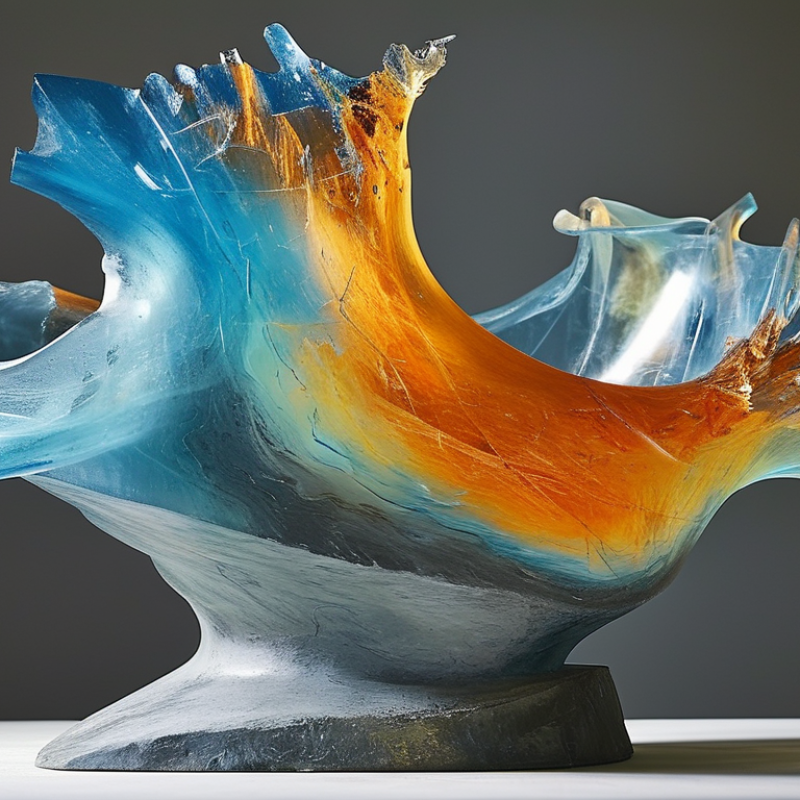
Resin sculptures represent a unique blend of creativity and material science. Made from synthetic polymers, these artworks are both durable and versatile. Artists often use resin to achieve intricate details and vibrant colors. This contrasts with traditional materials like stone or wood, which can be harder to manipulate. According to industry reports, the global resin market reached over $30 billion in 2022, reflecting a growing interest in this medium for both hobbyists and professional artists.
One of the most notable characteristics of resin sculptures is their ability to capture light. This feature enhances the piece’s visual appeal, creating depth and dimension. Artists can embed various materials, like metals or glass, into the resin to add texture. However, working with resin requires a solid understanding of safety protocols, as the fumes can be harmful. A novice might underestimate the importance of ventilation during the curing process.
Tip: Always wear protective gear and work in a well-ventilated area to ensure safety. This will protect both your health and the integrity of your artwork.
The curing time of resin can vary, leading to potential frustrations for artists. While some projects may set quickly, more intricate designs might take longer. Patience is essential in the resin art process. Failure to allow proper curing can result in messy outcomes, which can be disheartening. Understanding the nuances of the resin is crucial for success.
Definition and Characteristics of FRP Sculptures
FRP sculptures, or Fiber Reinforced Plastic sculptures, are notable for their durability and versatility. These sculptures consist of a polymer matrix reinforced with fibers, typically glass or carbon. This combination creates a material that is lightweight yet incredibly strong. The manufacturing process allows for intricate shapes and designs, making FRP ideal for outdoor art installations.
One distinct characteristic of FRP is its resistance to environmental factors. Unlike traditional materials, it does not easily corrode or degrade with exposure to moisture or UV light. This makes FRP sculptures a popular choice for public spaces. However, some artists express concerns about the environmental impact of certain resins used in production. Finding sustainable materials remains a challenge.
Despite these advantages, FRP sculptures may lack the organic feel that natural materials provide. Some argue that they can look overly synthetic. Artists often grapple with balancing artistic intention and material limitations. Critics question whether the aesthetic value of FRP can compete with traditional sculpture techniques. This ongoing dialogue highlights the evolving nature of artistic materials and methods.
Key Differences in Material Properties Between Resin and FRP
Resin and FRP (Fiber Reinforced Plastic) are popular materials in the sculpture industry, each with unique properties. Resin sculptures often provide a glossy finish and vibrant color retention, making them visually appealing. According to market research, resin-based sculptures can have a lifespan of 10-15 years when maintained properly. However, they may not withstand extreme weather conditions as well as FRP.
FRP sculptures, on the other hand, boast higher durability and resistance to various weather elements. Studies indicate that FRP materials can last over 20 years, even in harsh climates. Their lightweight nature allows for intricate designs without compromising structural integrity. While FRP may require a higher initial investment, its longevity can make it a cost-effective choice in the long run.
Tip: When creating sculptures, consider the environment in which they will be displayed. Resin may chip in harsh conditions, while FRP offers greater resilience. Additionally, always prioritize sourcing materials from reputable suppliers to guarantee quality.
Remember, both materials have unique strengths and weaknesses. It's essential to reflect on your project's specific needs. Whether you choose resin or FRP, understanding these differences can help you curate impactful artwork that stands the test of time.
Comparison of Durability and Maintenance Requirements
When comparing the durability of resin and FRP (Fiber Reinforced Plastic) sculptures, key factors emerge. Resin sculptures are often less durable than FRP counterparts. Data shows that FRP can withstand extreme weather conditions better than resin. This is crucial for outdoor installations. FRP is resistant to corrosion and UV damage, making it a favored choice among artists for longevity.
Maintenance requirements differ significantly between the two materials. Resin sculptures may require frequent touch-ups. Their surfaces can scratch or fade over time. On the other hand, FRP sculptures are generally easier to maintain. Routine cleaning with mild soap and water is usually sufficient. According to a recent industry report, 70% of FRP users noted reduced upkeep costs over time. This finding illustrates the efficiency of choosing FRP for long-term projects.
While both materials have their merits, understanding these nuances is vital. Artists should weigh aesthetics against practicality. Not every sculpture can marry beauty with durability. In some cases, the choice may lean too heavily toward style, leading to regrets later. Balancing these aspects remains an ongoing challenge in the art community.
Top 10 Differences Between Resin and FRP Sculptures
Applications and Aesthetic Variations of Resin vs. FRP Sculptures
Resin and FRP (Fiber Reinforced Plastic) sculptures each offer unique aesthetic qualities and varied applications. Resin sculptures can capture intricate details with a smooth, glass-like finish. They are popular for indoor decorations, art installations, and small-scale models. Moreover, their vibrant colors and transparent capabilities enhance visual appeal. Artists often prefer resin for its versatility in casting and painting. However, fragility can be a concern, as resin pieces may chip easily.
In contrast, FRP sculptures are known for their durability. They withstand outdoor conditions well, making them suitable for gardens and public spaces. FRP offers a wider range of textures, from rugged surfaces to sleek finishes. It’s also lightweight, allowing for easy transportation and installation. While FRP lacks the fine detail of resin, its strength makes it reliable for larger, more ambitious projects.
Both materials have their strengths and limitations. Artists must consider their specific needs when choosing between resin and FRP. For instance, a stunning outdoor installation may benefit more from FRP's durability. Conversely, a delicate tabletop sculpture could shine in resin’s intricate details. Each choice reflects an artist’s vision and the context of the artwork. Balancing beauty and functionality remains a critical decision in the creative process.
FAQS
: FRP sculptures consist of a polymer matrix reinforced with fibers like glass or carbon.
They are lightweight, strong, and resistant to corrosion, moisture, and UV light.
No, they typically need only routine cleaning with mild soap and water.
Resin sculptures are often less durable and can chip or fade more easily than FRP.
Some worry about the environmental impact of certain resins used in their production.
FRP may lack the fine detail of resin but offers strength for larger projects.
Balancing aesthetic appeal and practicality can lead to regrets if not thoughtfully considered.
They work well for indoor decor, art installations, and small-scale models.
Yes, resin provides a smooth finish, while FRP offers a range of textures from rugged to sleek.
They should weigh specific project needs against beauty, functionality, and durability.
Conclusion
The article titled "Top 10 Differences Between Resin and FRP Sculptures" explores the fundamental distinctions between resin and fiber-reinforced plastic (FRP) sculptures. It begins by defining each material, highlighting the unique characteristics of resin, such as its versatility and ability to capture intricate details, while also discussing FRP's strength and lightweight properties. What is the difference between resin and FRP sculptures? This question is addressed through an examination of material properties, where resin tends to offer a smoother finish while FRP is lauded for its durability.
Further comparisons are made in terms of durability and maintenance requirements, with FRP generally requiring less upkeep due to its weather resistance, whereas resin may need more care to prevent damage over time. Lastly, the article discusses their applications and aesthetic variations, illustrating how each material serves different artistic purposes. By the end, readers gain a comprehensive understanding of how resin and FRP sculptures differ in terms of properties, upkeep, and artistic applications.

 Stora Decor