Protecting outdoor statues from harmful UV rays is essential for their longevity. According to Dr. Emily Harper, a leading expert in conservation, “UV damage can significantly alter the appearance and structure of outdoor sculptures.” With outdoor statues exposed to the sun, they are vulnerable to fading, cracking, and material degradation. Understanding how to protect outdoor statues from UV damage is crucial for preserving art and history.
The first step involves selecting appropriate protective coatings. UV-blocking sealants can create a barrier against harmful rays. Regular maintenance is also vital. Inspecting statues for signs of wear helps you address potential damage early. Additionally, consider strategic placement. Relocating statues to shaded areas can significantly reduce UV exposure.
Learning how to protect outdoor statues from UV damage requires ongoing attention. While preventive measures can be effective, nature can still be unpredictable. No method is foolproof, and environmental factors may still pose risks. Understanding these challenges can lead to better protective strategies, ensuring that outdoor sculptures remain beautiful for generations.
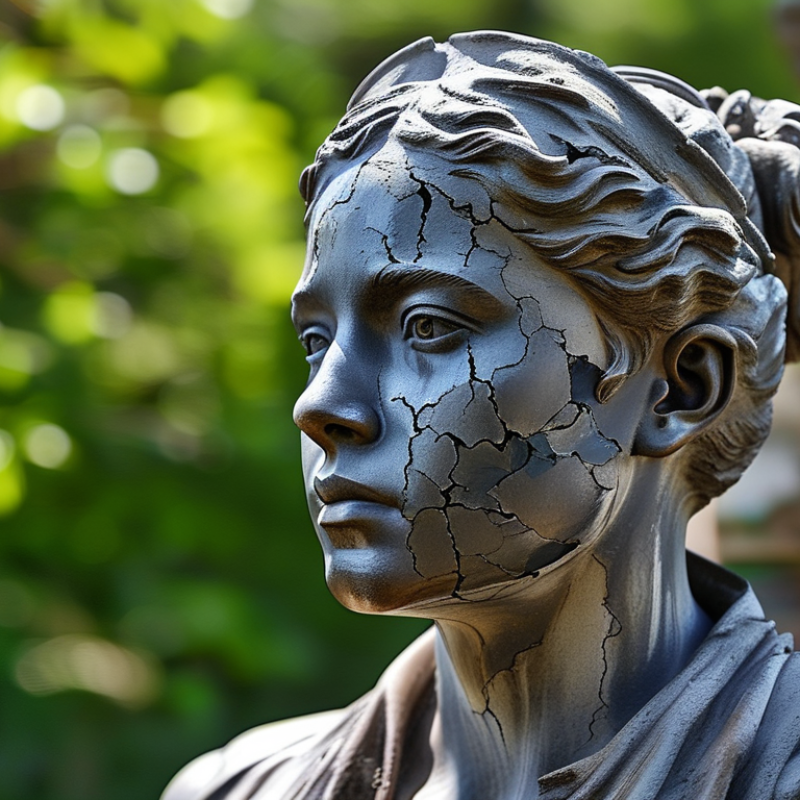
UV rays can be particularly damaging to outdoor statues. These rays break down materials, fading colors and causing cracks over time. When exposed to sunlight, statues without protection may suffer irreversible damage. This impact can diminish aesthetic appeal and shorten longevity.
Understanding the nature of UV rays is essential. They penetrate surfaces, degrading both stone and paint. Natural elements, like wind and rain, exacerbate this deterioration. Statues made of metal or plastic can also degrade, becoming brittle and discolored. It’s crucial to recognize that different materials react differently to UV exposure. Regular inspections help identify early signs of wear.
Finding ways to shield statues is vital. Think about solutions such as UV-blocking coatings. Some have found success using protective paint or sealants. In addition, strategic placement can reduce sun exposure. Offering shade with nearby trees or awnings is another practical approach. Awareness of these factors is important, as damage might not be immediately visible.
When selecting materials for outdoor statues, UV protection is crucial. Some materials fade quickly under the sun, losing their vibrant colors. For durability, consider high-density polyethylene. This type of plastic resists UV rays effectively. It stays strong and retains its appearance over time.
Another option is fiberglass. It is lightweight and impervious to UV damage. This material can mimic the look of stone but offers added resilience. Ensure statues have a UV protective coating. This extra layer can significantly extend their lifespans. Additionally, stone statues may need regular sealing. Some natural stones absorb water and can deteriorate if not maintained properly.
Be mindful of the environment where the statue will sit. Shady areas may prolong the life of the material. However, placing them in direct sunlight can speed up fading. Observe how light interacts with the statue throughout the day. Reflections and shadows may also play a role in UV exposure. Balance aesthetics with long-term protection to achieve the best outcome.
Applying protective coatings to outdoor statues is essential in preserving their integrity against harmful UV rays. According to a study by the National Park Service, UV radiation can lead to significant material degradation in sculptures exposed to sunlight. Without protection, colors fade, surfaces crack, and the overall structure deteriorates. Such harsh effects can be minimized with proper treatment.
Choosing the right protective coating is crucial. Water-based sealants can block UV rays and repel moisture. These coatings create a barrier, enhancing the statue's lifespan. However, it’s important to consider the specific material of each statue. Some coatings may not adhere well to certain surfaces. Test patches can reveal whether a coating is effective or if alternative solutions are necessary.
Regular maintenance is also important. Even with protective coatings, environmental factors can wear them down over time. A report by the Preservation Society suggests reapplication every one to three years, depending on local weather conditions. This ongoing care can prevent larger issues, allowing statues to maintain their beauty for years. Being attentive to these details ensures that outdoor art can continue to inspire and enrich public spaces.
Creating a shelter or shade for outdoor statues is essential for their longevity. Statues made of stone or metal can suffer damage from harmful UV rays. According to a 2022 report from the American Institute for Conservation, about 40% of outdoor sculptures fade significantly within five years due to sun exposure. This highlights the need for protective measures.
One effective way to create shade is by using pergolas or large umbrellas. These structures can block direct sunlight, allowing air circulation. Consider planting trees nearby for natural shade. However, be mindful of tree roots, which may disturb the stability of the statue over time.
Tips: Use breathable fabrics for shade covers. This prevents moisture buildup, reducing mold and mildew. Regularly check the condition of the shelter to ensure it remains robust. Consider reflective materials that divert sunlight, especially for fragile pieces. It may take effort to find the right balance, but protecting your statues is worth it in the long run.
| Method | Description | Materials Needed | Estimated Cost |
|---|---|---|---|
| Construct a Canopy | Build a sturdy canopy above the statue for maximum sun protection. | Wood, fabric, tarpaulin | $200 - $500 |
| Use UV Protective Coatings | Apply a special UV-resistant coating to the statue's surface. | UV-resistant sealant | $50 - $150 |
| Install a Shade Structure | Create a permanent shade structure around the statue. | Metal framing, shade cloth | $300 - $800 |
| Positioning Away from Direct Sunlight | Relocate the statue to a more shaded area in the garden. | N/A | Free |
| Use Outdoor Umbrellas | Place large outdoor umbrellas around statues for shading. | Outdoor umbrellas | $30 - $100 each |
Outdoor statues enhance the beauty of any garden or patio. However, they face threats from harmful UV rays. Regular maintenance is crucial to protect these artistic pieces. Inspecting them frequently helps identify signs of damage or fading. Over time, sunlight can cause cracking and discoloration. A quick check every few months is advisable.
Using appropriate protective coatings can extend the life of your statues. UV-resistant sealants serve as an effective barrier against sun damage. Applying these products requires some craftsmanship. Ensure the surface is clean before applying. If the statue appears worn, consider reapplying the sealant. This proactive step can save you from bigger repairs later.
Cleaning is also an essential part of maintenance. Dust and debris can build up and cause staining. Gently wash the surface with mild soap and water. Take care not to scrub too hard. Some details on statues are delicate and need gentle handling. Reflecting on your cleaning routine may help improve the process. Establishing a regular schedule allows for timely interventions. Regular care enhances not just longevity but also the visual appeal of your outdoor art.
: UV rays break down materials in outdoor statues, leading to fading colors and cracks over time.
Stone, paint, metal, and plastic statues can degrade from UV exposure, becoming brittle and discolored.
Protective coatings help shield statues from UV rays, preventing color fading and surface cracks.
Reapply protective coatings every one to three years based on local weather conditions.
Use pergolas, large umbrellas, or plant trees nearby to provide shade from direct sunlight.
No, some coatings may not adhere well to certain materials, so testing patches is necessary.
Regularly check shade structures to ensure they remain strong and effective against UV rays.
Regular inspections help identify early signs of wear, allowing for timely repairs and maintenance.
Use breathable fabrics to prevent moisture buildup that can lead to mold and mildew issues.
Yes, consider tree roots, as they can disturb the stability of the statue over time.
Outdoor statues are often exposed to harmful UV rays, which can lead to fading, deterioration, and significant damage over time. To effectively address the question, "How to protect outdoor statues from UV damage?", it is essential to first understand how UV rays affect various materials used in sculptures. Choosing the appropriate materials that offer UV protection can significantly extend the life of your statues.
Applying protective coatings, such as UV-resistant paints or sealants, can provide an additional layer of defense. Additionally, creating a shelter or shade, such as using awnings or strategically placed plants, can reduce direct sunlight exposure. Regular maintenance and inspection are crucial to ensure that protective measures remain effective and that any early signs of damage can be addressed promptly, ensuring the longevity and beauty of your outdoor sculptures.
