Outdoor statues can add beauty and character to a garden or yard. However, they can be vulnerable to strong winds. Many owners find themselves asking: "How to secure a heavy outdoor statue against wind?" This is a crucial question, as unsecured statues can topple over, potentially causing injury or damage.
To ensure your statue remains stable, it’s essential to consider materials and weight distribution. Some statues can be surprisingly top-heavy. This design flaw can make them more likely to fall in windy conditions. Additionally, anchoring methods play a vital role. Using stakes or bases can help. Yet some methods may not be suitable for every statue type. Experimenting with different approaches may be necessary.
Proper placement is another factor. Avoid exposing statues to direct wind paths, if possible. Finding a sheltered spot can provide extra protection. Remember, even the heaviest statue can be challenged by strong gusts. A thoughtful, strategic approach will keep your cherished pieces safe and standing tall, despite the elements.
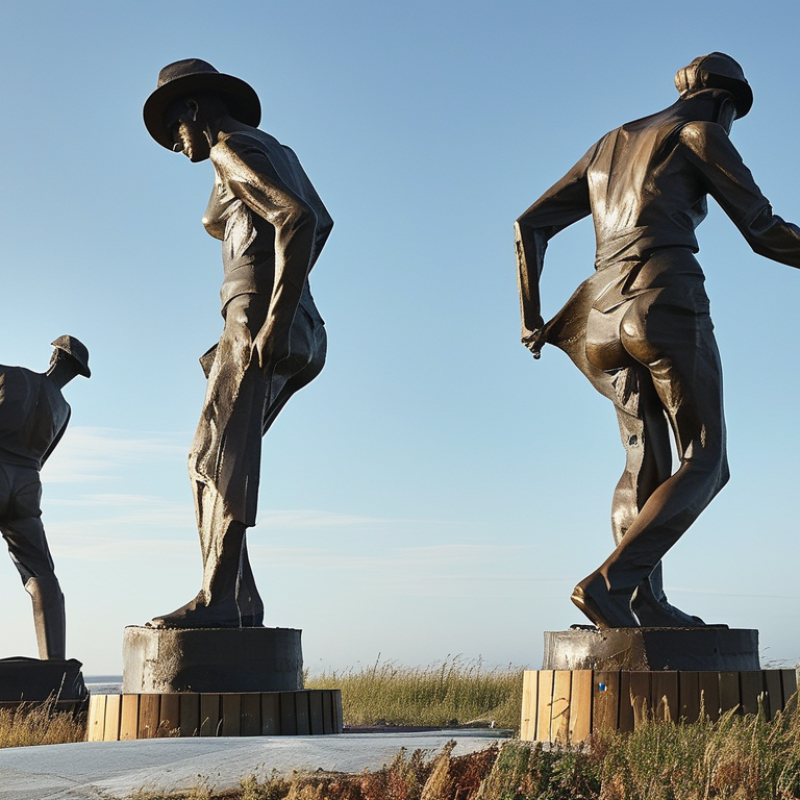
Choosing the right location for outdoor statues is crucial for their longevity and stability. Statues can weigh hundreds or even thousands of pounds, but that does not always guarantee they will withstand strong winds. According to a report by the American Society of Civil Engineers, wind speeds can reach devastating levels during storms. Selecting a sheltered location, such as the side of a building or behind tall hedges, can mitigate this risk.
Ground conditions also play a vital role. Soft or sandy soil may not provide the necessary support. Heavy statues should ideally rest on solid ground. Researchers at the National Weather Service have reported that a wind gust of 40 mph can topple unsecured objects. It’s essential to assess the microenvironment where a statue sits. Nearby trees can act as windbreakers, but they can also pose additional risks with falling branches.
Even with careful planning, nature can be unpredictable. Wind patterns change, and new trees grow. Regular assessments of the statue’s surroundings can help catch potential hazards. Inspecting for erosion or shifting soil is key. While it’s impossible to eliminate all risks, proactive measures can significantly enhance stability.
When considering how to secure heavy outdoor statues, understanding the weight and material is crucial. Statues made from dense materials, such as granite or bronze, can weigh several hundred pounds. This substantial weight helps resist strong winds. For example, a granite statue weighing 500 pounds can withstand gusts of wind more effectively than lighter resin options. According to the National Wind Institute, wind speeds over 50 mph can topple structures that are not properly anchored.
The material of the statue also plays a role in its stability. Materials like concrete and stone provide a solid foundation. They tend to have lower center of gravity compared to fiberglass models. However, even heavy statues can be uprooted if placed on uneven surfaces. Industry studies indicate that securing these pieces with proper anchoring systems can reduce the risk of damage by up to 70%. Anchor bolts or heavy bases can provide additional protection against unpredictable weather.
Choosing the right placement for your statue is another factor. Statues should avoid areas with heavy wind exposure. Sheltered spots can safeguard them from gusts, even if they are heavy. However, these choices may sometimes clash with aesthetic desires. Creating a balance between beauty and safety is often more complex than it seems, requiring careful thought and planning.
When securing heavy outdoor statues, anchoring is crucial for stability. One effective anchoring technique involves using ground spikes or plates. Reports suggest that solid anchoring can reduce the risk of tipping or being displaced by wind. Statues weighing over 200 pounds should ideally be anchored to withstand winds exceeding 50 mph.
Another method includes using concrete to secure the statue's base. Properly mixed concrete can provide substantial holding power. Studies indicate that anchoring efforts can lower the statue’s susceptibility to uprooting by 30% in strong gusts. Ensure to assess the soil condition; sandy or loose soil often requires deeper anchoring solutions.
Finally, regularly inspecting the anchoring system is essential. Factors such as soil erosion and corrosion could compromise stability. Maintain awareness of weather changes, as sudden storms can catch you off guard. Remember, proper anchoring isn’t just a precaution; it may be the difference between preservation and damage.
Implementing windbreaks can significantly protect heavy outdoor statues from strong winds. Natural barriers like trees and shrubs work well. They create a protective zone that reduces wind speed. Planting these windbreaks at strategic angles is essential. Consider the typical wind direction in your area. The right placement can shield your statues effectively.
In addition to natural barriers, artificial windbreaks can be useful. Tall fences or screens can redirect or slow the wind. Choose materials that blend with your landscape. Additionally, consider their height and thickness for maximum impact. These structures must be durable to withstand harsh weather.
While windbreaks help, they are not foolproof. Regular maintenance is necessary. Inspecting and adjusting the barriers should be part of your routine. Sometimes, the direction of strong winds can change unexpectedly. In those cases, modifying your approach might be necessary. This reflection can help you enhance your protection strategy over time.
Regular maintenance and inspection are vital for the longevity of heavy outdoor statues. Over time, weather conditions can take a toll, especially during strong winds. Check statues regularly for signs of wear, such as cracks or fading. A small crack may grow larger if left unattended. Dirt and debris can also accumulate, affecting the statue's stability.
When conducting inspections, pay attention to the foundation. Ensure it is secure and level. Uneven surfaces can lead to tipping during high winds. Sometimes, a statue may seem stable but isn’t. Placing sandbags around the base can provide extra support. This is particularly effective during storm seasons.
Maintenance goes beyond inspections. Clean your statues with mild soap and water to preserve their appearance. This can prevent mold, which may weaken the structure. You might occasionally reconsider the statue's placement. A wind-sheltered location can reduce the risk of damage. Reflecting on these practices can help maintain your outdoor art more effectively.
: The right location ensures longevity and stability against strong winds.
Statues should rest on solid ground, avoiding soft or sandy soil.
Windbreaks like trees and shrubs create protective zones that reduce wind speed.
Regularly inspect for cracks, wear, and dirt. Clean with mild soap and water.
Regular assessments help identify new risks like erosion or shifting soil.
Ensure it is secure and level. Use sandbags for extra support if needed.
Yes, tall fences or screens can redirect wind but need to blend with the landscape.
You may need to modify windbreaks regularly to maintain effectiveness.
Clean it regularly to prevent dirt buildup that can lead to mold.
Yes, reconsidering placement can help reduce damage risks.
When considering how to secure a heavy outdoor statue against wind, it's essential to take a comprehensive approach. First, choosing the right location can significantly influence the statue's stability; placing it in areas shielded from direct wind exposure can help reduce the risks. Understanding the weight and material of the statue is crucial, as heavier statues are generally more stable, but the right anchoring techniques are still necessary to prevent tipping.
Using proper anchoring methods, such as stakes or cement bases, enhances stability, while implementing windbreaks, like shrubs or fencing, provides additional protection from strong gusts. Finally, regular maintenance and inspection are vital for ensuring the statue's longevity, checking for any wear or movement over time. By combining these strategies, one can effectively secure a heavy outdoor statue against wind, preserving its beauty and structural integrity.
