Resin statues are popular due to their intricate designs and durability. However, many collectors face a common issue: the yellowing of these statues. Expert David Johnson, a leading figure in art restoration, notes, "Understanding why resin statues turn yellow over time is crucial for preservation." This phenomenon primarily results from exposure to sunlight and environmental factors.
Over time, ultraviolet (UV) rays can break down the chemical bonds in resin. As this happens, the once-clear surface begins to take on a yellow hue. Additionally, certain chemicals can accelerate this process, leading to premature degradation. The change is often gradual, making it easy to overlook until it becomes pronounced.
Keeping resin statues in the right conditions is vital. Avoiding direct sunlight can significantly prolong their lifespan. Regular cleaning with mild soap can also help maintain their clarity. While these methods are effective, the challenge lies in consistently monitoring the environment. Many collectors may underestimate the impact of external factors on their statues. Thus, understanding "Why do resin statues turn yellow over time?" is not just academic; it is a necessity for any responsible collector.
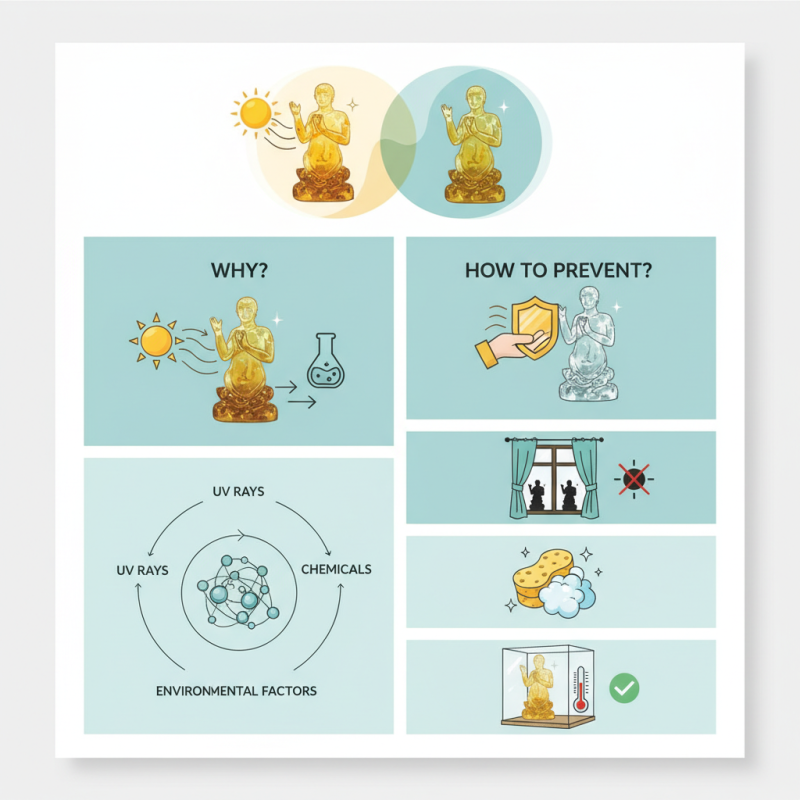
Resin statues are popular for their durability and artistic appeal. However, over time, many owners notice an unpleasant yellowing. This change can stem from several factors, primarily the material itself and environmental exposure.
UV radiation significantly impacts resin statues. A study published in the Journal of Materials Science found that long-term exposure to sunlight can alter the chemical structure of the resin. This alteration often leads to discoloration. Additionally, heat can accelerate this process, causing defects in the material. Even artificial lighting, particularly fluorescent lights, can contribute to the yellowing phenomenon.
Moreover, certain chemicals in cleaning products or air pollution can exacerbate the yellowing effect. According to a report from the American Society for Testing and Materials, pollutants can chemically interact with resins, worsening their appearance. Simple elements like dust and humidity can also play a role. The fading of vibrant colors may prompt reflections on maintenance strategies. Protecting these artworks is complex and requires a proactive approach, yet many fail to recognize these environmental challenges.
| Cause | Description | Prevention Method |
|---|---|---|
| UV Exposure | Direct sunlight can cause resin to oxidize and turn yellow. | Store indoors or use UV-protective coatings. |
| Humidity | High humidity can affect resin integrity and appearance. | Maintain a stable environment with low humidity levels. |
| Chemical Exposure | Cleaning agents or environmental pollutants can react with resin. | Use gentle cleaners and avoid harsh chemicals. |
| Age | Over time, resin may naturally yellow due to oxidation. | Opt for high-quality resin and regular maintenance. |
: Yellowing occurs due to UV radiation exposure and chemical interactions. Environmental factors contribute to this change as well.
UV light alters the chemical structure of resin. This often leads to discoloration and affects the statue's appearance over time.
Yes, fluorescent lights can also contribute to yellowing. They emit UV radiation, which negatively impacts the resin material.
Use a soft cloth and mild soap. This approach helps remove dirt and prepares the statue for better restoration techniques.
Consider using a specialized resin restorer. Always test it on a small area first to see how the material reacts.
Regular maintenance is key. Use a UV-resistant sealant and display statues away from direct sunlight to protect them.
Regular inspections are advisable. Early detection can help prevent significant yellowing and ensure long-lasting beauty.
Restoration not only revives the appearance but preserves the history of the piece. It connects current owners with the artist's intent.
Resin statues are popular decorative items, but many people often wonder, "Why do resin statues turn yellow over time?" This discoloration primarily results from exposure to ultraviolet (UV) radiation, which accelerates the degradation of the resin material. Additionally, environmental factors like pollutants and humidity can trigger chemical reactions that lead to yellowing. Understanding these causes helps in implementing effective preventative measures to safeguard resin statues, such as using UV-protective coatings and storing them in shaded areas.
For those who already own yellowed statues, there are restoration techniques available to help restore their original appearance. Cleaning the surface and applying specialized products can mitigate discoloration and protect the statues from further damage. By employing these strategies, collectors can preserve the beauty of their resin statues and minimize the effects of aging and environmental exposure.

 Stora Decor