When considering large-scale public art, one might ponder, "Why choose FRP for large-scale public art?" FRP, or Fiber Reinforced Polymer, is becoming a popular choice among artists and urban planners. Renowned art consultant Dr. Emily Hart emphasizes, "FRP is a game changer for outdoor sculptures, blending durability with creative freedom." This is crucial for art displayed in public spaces, which must endure weather and wear.
Public art often faces challenges. Traditional materials can limit creativity and longevity. FRP offers unique benefits like lightweight construction and corrosion resistance. These characteristics directly contribute to sustainable artistry. For instance, the ability to mold FRP into intricate designs allows artists to push boundaries.
Moreover, the collaboration between artists and engineers can be transformative. Using FRP might lead to innovative designs that prompt community engagement. However, the art world still grapples with the perception of new materials. Some may question its artistic value compared to conventional options. This ongoing dialogue reflects a broader discussion: how to balance tradition with innovation in public art.
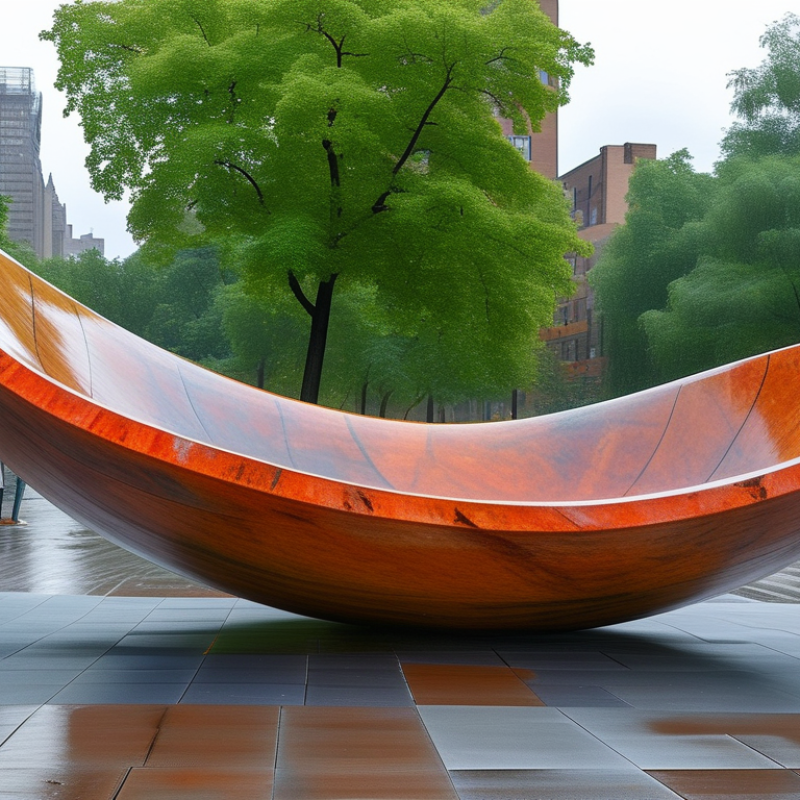
Fiber-reinforced polymer (FRP) materials have gained popularity in large-scale public art installations. They offer several advantages that make them a top choice for artists and municipalities alike. According to the American Composites Manufacturers Association (ACMA), FRP can reduce maintenance costs by up to 40% compared to traditional materials. This is crucial for public art, which often experiences harsh environmental conditions.
One notable benefit of FRP is its lightweight nature. This feature allows for easier transportation and installation. In fact, installations made from FRP can weigh up to 75% less than those made from metal or concrete. This advantage not only simplifies logistical challenges but also minimizes the risk of installation-related accidents. Public art should inspire, but it must also be safe.
However, reliance on FRP is not without challenges. Some artists express concerns about the aesthetic limitations of FRP. While it is durable, it can lack the texture of natural materials. Finding a balance between longevity and artistic expression remains an area for ongoing reflection. As more cities adopt FRP for art projects, it is vital to address these issues and continue improving material choices for future installations.
| Reason | Description |
|---|---|
| 1. Durability | FRP is resistant to weathering, UV rays, and corrosion, making it ideal for outdoor installations. |
| 2. Lightweight | FRP structures are significantly lighter than traditional materials, easing transportation and installation. |
| 3. Versatility | Can be molded into various shapes and sizes to suit creative visions. |
| 4. Aesthetic Variety | Available in a range of colors and finishes, enhancing visual appeal. |
| 5. Low Maintenance | FRP requires minimal maintenance compared to other materials, saving time and costs. |
| 6. Eco-Friendly Options | Can be sourced from recycled materials and is often recyclable itself. |
| 7. Cost-Effective | Lower overall costs due to reduced transport and installation expenses. |
| 8. Non-Conductive | FRP does not conduct electricity, enhancing safety in public spaces. |
| 9. Impact Resistance | Resists damage from impacts, prolonging the artwork's lifespan. |
| 10. Quick Installation | Simplified installation process reduces time on-site and overall project timelines. |
: FRP, or Fiber Reinforced Plastic, is durable and weather-resistant. It outlasts traditional materials like wood and metal.
FRP materials can last over 50 years. This longevity reduces maintenance costs for public art.
FRP resists UV rays, rain, and temperature changes. It has 90% less water absorption compared to concrete.
Some artists worry that FRP lacks organic textures. Collaboration and innovation are needed for wider acceptance.
FRP is lightweight, making transport easier. It can weigh up to 75% less than traditional materials.
Using FRP lowers shipping costs and allows for quicker assembly. This can reduce project timelines by about 30%.
No, not all FRP products are equal. Some may lack the necessary resilience for outdoor placements.
Research is crucial. Investigate manufacturer credentials and ask for performance metrics before selection.
When considering large-scale public art installations, many artists and planners are increasingly asking, "Why choose FRP for large-scale public art?" One key reason is the remarkable durability and weather resistance of Fiber Reinforced Polymer (FRP) materials, which ensure that artworks can withstand harsh environmental conditions without significant degradation. Additionally, FRP's lightweight properties make transportation and installation more manageable, reducing logistical challenges.
Moreover, the design flexibility and aesthetic versatility of FRP allow artists to push creative boundaries, giving them the freedom to explore diverse shapes and finishes. Finally, FRP offers a cost-effective alternative compared to traditional materials, making it a smart choice for large-scale projects in terms of budget management. Overall, the combination of these benefits positions FRP as a superior option for public art, encouraging its adoption in contemporary installations.

 Stora Decor