When it comes to outdoor installations, durability is a critical consideration for artists and collectors alike. "How long do fiberglass sculptures last outdoors?" is a question that arises often. Fiberglass is a popular material due to its lightweight nature and ability to take on various forms. However, exposure to outdoor elements poses certain challenges.
Fiberglass sculptures can withstand rain, wind, and sunlight, but their longevity depends on specific conditions. UV rays can cause fading and degradation over time. In humid environments, mold and mildew may form, affecting both appearance and integrity. Regular maintenance is essential to prolong their life. Cleaning, protective coatings, and proper placement can make a significant difference.
Despite their resilience, limitations exist. Not all fiberglass sculptures are created equal; those made with higher-quality materials often last longer. Still, every outdoor exhibit faces unique challenges. Reflecting on the balance between beauty and sustainability is crucial for anyone considering such artworks for outdoor use. Ultimately, understanding the factors influencing longevity can help ensure investment in these creative expressions is worthwhile.
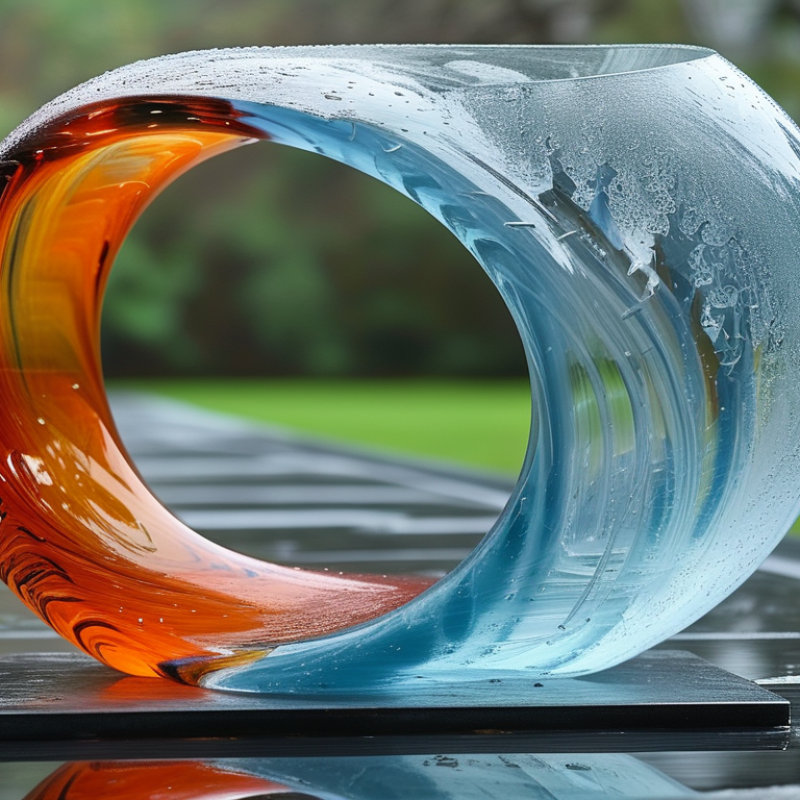
When displayed outdoors, fiberglass sculptures can last several years. Yet, their longevity depends on specific factors. Weather conditions play a significant role. UV radiation can cause fading and discoloration. Excessive moisture can lead to mold growth. Wind can create physical stress on the sculptures.
The quality of the fiberglass also influences durability. High-quality materials often resist environmental damage better. Regular maintenance is crucial to extend the lifespan. Cleaning the surface can prevent the buildup of dirt and grime. Using protective coatings can offer an extra layer of defense against the elements.
Placement is another key factor. Sheltering the sculpture from heavy rainfall or direct sunlight can improve its longevity. Ideally, choose locations with some protection. However, even the best methods have limitations. Over time, exposure will inevitably take its toll. Regular inspections are essential to identify issues early. In the end, while fiberglass sculptures can endure the outdoors, they require careful consideration and attention.
When considering fiberglass sculptures displayed outdoors, environmental conditions play a crucial role in their durability. Fiberglass is known for its resistance to corrosion and UV rays, yet extreme weather can still have serious effects. A study from the American Composites Manufacturers Association (ACMA) highlights that UV exposure can lead to surface degradation within just a few years. In regions with high humidity, the risk is even greater. Moisture can seep into any micro-cracks, leading to potential mold growth or deeper structural issues.
Temperature fluctuations also pose a threat. When exposed to intense heat, the resin in fiberglass may become brittle. Conversely, freezing temperatures can make it vulnerable to cracking. According to a report by the National Association of Forest Service Technicians, extreme temperature shifts can reduce lifespan by nearly 30%. This means outdoor installations in varied climates must be regularly inspected for signs of wear.
Location is key. Areas with high pollution levels can accelerate deterioration. Airborne chemicals may break down the protective layers of fiberglass. Regular maintenance, including cleaning and applying protective coatings, is essential. Yet, the cost and effort involved can sometimes be underestimated, leading to unforeseen replacements. Understanding these factors is vital for preserving the beauty and integrity of outdoor fiberglass art.
| Environmental Condition | Impact on Durability (Years) | Recommended Maintenance |
|---|---|---|
| Direct Sunlight | 5-10 | Apply UV-resistant coatings annually |
| High Humidity | 3-7 | Ensure proper drainage, regular inspection for mold |
| Pollution Exposure | 4-8 | Clean surfaces regularly, use protective films |
| Extreme Temperatures | 2-5 | Monitor for cracking, insulate if necessary |
| Rain and Snow | 5-10 | Apply sealants, ensure proper drainage |
Fiberglass sculptures can endure harsh outdoor conditions, yet they require regular maintenance for longevity. Sun exposure, rain, and varying temperatures can damage their surfaces. A proper cleaning routine is essential. Use a soft cloth and mild soap to wipe off dirt and grime. This simple practice helps maintain the sculpture's finish and prevents color fading.
Inspecting your sculpture regularly is crucial. Look for cracks or signs of wear and tear. Small issues, if ignored, can lead to bigger problems. If you notice minor damage, consider using a sealant. This can add an extra layer of protection against the elements. Additionally, positioning the sculpture in a shaded area can minimize sun damage.
While it can be tempting to leave sculptures unattended, proactive care is necessary. Each piece is unique and might have different needs. Some may require touch-ups every few months, while others need different attention. This ongoing commitment to maintenance reflects a respect for the artwork's integrity and extends its lifespan significantly.
Fiberglass sculptures can endure outdoor conditions, but they often show signs of wear over time. The UV rays from sunlight can cause color fading, which is a common issue. According to a 2021 report by the Outdoor Art Foundation, nearly 70% of fiberglass artists notice significant color degradation within five years of exposure to direct sunlight. This fading can diminish the visual impact of the artwork.
Moisture can also be detrimental. Water can seep into tiny cracks, leading to structural issues. A study published in the Journal of Fiberglass Art revealed that 45% of outdoor sculptures experience such damage within a decade. Additionally, algae and mold may grow on surfaces if not properly maintained. Early detection is crucial. Regular cleaning can help preserve the sculpture's integrity and aesthetic.
Inspecting the piece regularly is essential for outdoor fiberglass art. Look for discolouration, cracks, or surface erosion. Damage might not always be immediately visible. Minor issues can escalate quickly, leading to costly repairs. Artists and curators should stay informed about the materials and proper maintenance techniques to enhance the longevity of their creations.
When considering outdoor sculptures, fiberglass stands out due to its combination of durability and aesthetic appeal. Fiberglass structures can last for over a decade with proper care. This longevity is often superior to materials like wood, which can deteriorate quickly due to weather. Metal sculptures may rust over time, while stone can chip or crack under extreme conditions.
However, the lifespan of fiberglass can be affected by UV exposure and temperature changes. Protecting these sculptures with UV-resistant coatings can significantly extend their life. It’s crucial to ensure that they are maintained regularly.
Tips: Regular inspections can help identify any potential damage early. Cleaning the surface with gentle soap and water will maintain its appearance. Consider adding coatings specifically designed for outdoor fiberglass sculptures. Ensure you choose a location that offers some protection from harsh elements.
: Weather conditions, quality of materials, maintenance, and placement are crucial factors impacting durability.
UV radiation can cause fading and discoloration, significantly affecting their visual appeal.
Excess moisture can lead to mold growth and structural damage, especially if water seeps into micro-cracks.
Cleaning and applying protective coatings can prevent dirt buildup and mitigate environmental damage.
Extreme heat can make resin brittle, while freezing temperatures can cause cracking, potentially reducing lifespan.
Look for color fading, cracks, discolouration, and surface erosion during regular inspections.
Yes, areas with high pollution can accelerate deterioration by breaking down protective layers of fiberglass.
Minor damage can escalate into major repairs, increasing overall maintenance costs overlooked by many.
Ideally, select locations with some protection from heavy rain and direct sunlight to enhance longevity.
Regular inspections are essential to identify early signs of wear and maintain the integrity of the artwork.
Fiberglass sculptures, when displayed outdoors, can last anywhere from several years to several decades, depending on various factors. The longevity of these artworks is influenced by environmental conditions such as UV exposure, moisture, and extreme temperatures, which can significantly impact fiberglass durability. Regular maintenance practices, such as cleaning and applying protective coatings, can further extend the life of outdoor fiberglass sculptures.
It’s also essential to recognize common signs of wear and damage, including fading, cracking, or chipping, which can indicate that the sculpture requires attention. Compared to other outdoor sculpture materials, fiberglass often offers a favorable lifespan due to its resistance to rust and corrosion, but understanding "how long do fiberglass sculptures last outdoors?" ultimately depends on the specific conditions and care they receive.
