How to Install Large Fiberglass Animal Sculptures for Your Space?

Time:2026-05-25 Author:Henry
0%

Installing large fiberglass animal sculptures can significantly enhance your space. These striking pieces add character and charm, making any environment more inviting. However, one may wonder, "How to install a large fiberglass animal sculpture?" The process involves careful planning and practical steps.

Begin with a solid foundation. Ensure the chosen location can support the sculpture's weight. This may require additional reinforcement, especially for larger pieces. The installation needs to be secure, as these sculptures are often exposed to various weather conditions. Utilize appropriate tools and materials for a safe setup.

Incorporate a touch of creativity. Position your sculpture to complement the surrounding landscape or architecture. Consider lighting for a dramatic effect at night. Remember, installation isn’t just about placement but also about how it interacts with your space. Be prepared to adjust your design choices. Reflection is crucial, as the sculpture should evoke the intended emotion in viewers.
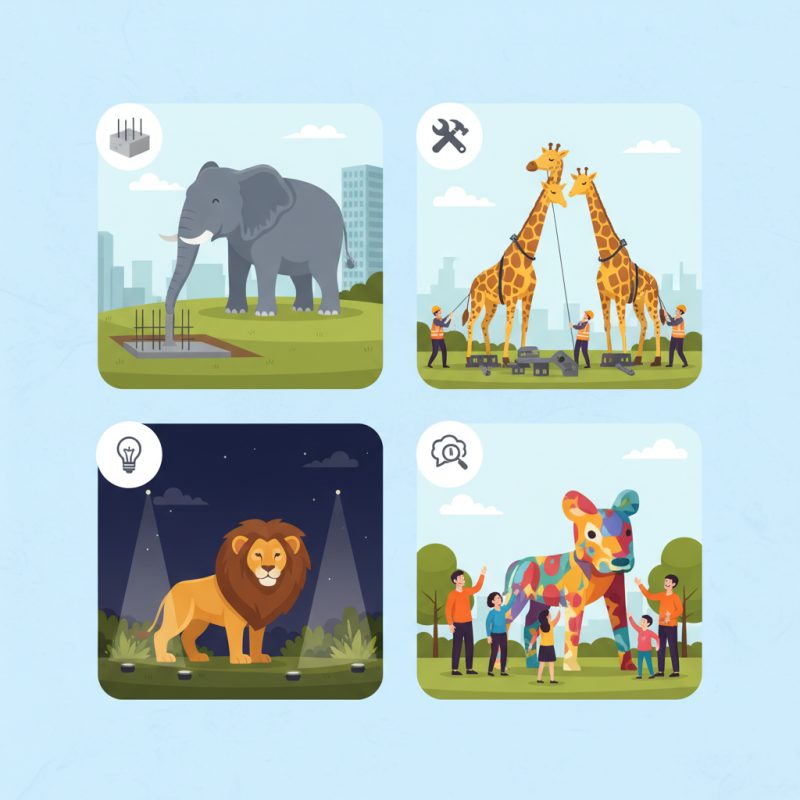
How to Install Large Fiberglass Animal Sculptures for Your Space?

Choosing the Right Location for Your Animal Sculpture

Choosing the right location for your large fiberglass animal sculpture is crucial for its visual impact. Consider the environment around the sculpture. Natural light can enhance its features and colors. Placing it in a shaded area might dull its vibrancy. Look for spots with interesting backgrounds to create contrast and depth in photographs.

Think about the flow of foot traffic. A well-placed sculpture can invite visitors to engage with it. However, if it obstructs pathways, it may frustrate viewers. Set it in a location where it complements the existing landscape. Trees, flowers, or water features can add to the sculpture's charm.

Visibility is another key factor. Ensure the sculpture is easy to see from various angles. A hidden spot can diminish its presence. It’s also essential to consider the sculpture's scale. A large piece may overwhelm a small area. Balance is necessary for a harmonious design. Reflect on these aspects to maximize the sculpture's appeal.

Understanding the Impact of Location on Large Fiberglass Animal Sculptures

Preparing the Installation Site for Stability and Aesthetics

When installing large fiberglass animal sculptures, the site preparation plays a crucial role in ensuring stability and aesthetics. Creating a solid foundation is essential. According to a 2021 industry report, nearly 30% of sculptures shift or topple due to inadequate ground preparation. This statistic highlights the importance of leveling the area. Soil conditions, including moisture content and composition, should be assessed. Compacted gravel or concrete pads are often preferred for substantial pieces.

Aesthetic considerations are equally significant. The surroundings must complement the sculpture's theme and size. A study from the National Association of Landscape Professionals suggests that well-placed sculptures can increase property value by up to 15%. Positioning the sculpture near natural features, like trees or water, can enhance its visual appeal. However, these natural elements must be considered for maintenance and growth. Overhanging branches can pose a risk to the sculpture over time.

Landscaping around the sculpture requires attention. Use local plant species that require minimal maintenance. Flowers should not overshadow the sculpture but should enhance it. Careful planning is needed to avoid overcrowding the area. A balance between nature and art creates a harmonious environment, fostering appreciation while addressing practical concerns. Reflecting on these aspects before installation can lead to a more successful outcome.

Assembling the Fiberglass Sculpture Components

Assembling fiberglass sculpture components can be an engaging yet challenging task. Start by carefully unpacking each part. Check for damage or missing pieces immediately. Lay everything out to get a sense of the overall design. This visual organization makes assembling easier.

Tips: Use a local workspace with ample room. This allows movement without the risk of damaging fragile components. Keep tools within reach. A well-organized setup saves you time.

Consider working with another person. Collaboration can enhance the assembly process. It’s easy to misinterpret instructions alone. Lifting and positioning large pieces might need two sets of hands. Reflect on your progress regularly. Sometimes, what seemed right initially may need adjustments.

Don’t rush through the assembly. Patience ensures that pieces fit together properly. Always double-check connections before moving on. A tightly assembled sculpture will withstand weather and time better. Evaluate as you go for a flawless finish.

Securing the Sculpture: Anchoring Techniques and Guidelines

Securing large fiberglass animal sculptures is crucial for ensuring their longevity and safety. Strong winds or curious children can easily tip over a poorly anchored sculpture. One effective method involves using concrete bases. Pouring concrete into a suitable mold allows you to create a solid foundation. Ensure the base is heavy enough to support the sculpture’s weight and provides stability.

Another method is to use ground anchors. These anchors penetrate the soil and secure the sculpture in place. It is essential to select the right size and type based on soil conditions. Many landscape professionals recommend this technique as it provides reliable stability. Always verify the anchor's depth and position; otherwise, it may not offer the needed support.

Remember to assess the location where you plan to install the sculpture. Slope or drainage issues can affect stability over time. Pay attention to weather conditions, as excessive rain or frost can shift the ground. It’s wise to periodically check the sculpture for signs of movement or wear on anchors. This ongoing maintenance is vital for preserving the beauty and safety of your installation.

Maintenance Tips for Long-lasting Outdoor Fiberglass Sculptures

When incorporating large fiberglass animal sculptures into your outdoor space, maintenance is key for longevity. Regular cleaning is essential. Use a soft cloth and mild soap solution to remove dirt and grime. Rinse thoroughly with water to avoid residue. This simple practice can keep your sculptures looking fresh and vibrant.

Check for damage periodically. Look for cracks or fading. If you notice wear, consider applying a new coat of UV-resistant sealant. This can protect the surface and enhance visual appeal. Be mindful of extreme weather conditions. Heavy rain or intense sunlight can affect the sculpture's appearance. Positioning your pieces strategically can help mitigate damage over time.

Consider shading your sculptures during peak sun hours. This might reduce fading and wear. Additionally, keep the area around them free of debris. Regularly inspecting and maintaining your sculptures can extend their lifespan. Yet, it’s natural to experience some wear. Accepting this can lead to a more authentic connection with your outdoor art.

FAQS

: Why is the location important for a large animal sculpture?

: The right location can enhance the sculpture's visual impact and vibrancy.

How does natural light affect the sculpture?

Natural light can highlight the features and colors, making them more attractive.

What should I consider about foot traffic?

Placing the sculpture in a high-traffic area can encourage visitor interaction.

How does background influence the sculpture's appearance?

An interesting background can create contrast and depth in photographs.

What are some assembly tips for fiberglass sculptures?

Unpack carefully, lay out the parts, and keep tools within reach for easier assembly.

Is it beneficial to have a partner during assembly?

Yes, collaboration can help interpret instructions and lift large pieces more effectively.

What anchoring methods can be used for stability?

Concrete bases and ground anchors can securely hold the sculpture in place.

How can I ensure the anchors are effective?

Verify the depth and position of the anchors based on soil conditions for reliability.

What ongoing maintenance is suggested for sculptures?

Periodically check for movement or wear on anchors to maintain stability and safety.

Can the weather affect the sculpture's placement?

Yes, excessive rain or frost can impact the ground's stability over time.

Conclusion

In the article titled "How to Install Large Fiberglass Animal Sculptures for Your Space?" the process is broken down into key steps that ensure a successful installation. First, selecting the right location is crucial; it should be a spot that complements the sculpture's aesthetics while ensuring it blends well with the surroundings. Preparing the installation site involves ensuring stability and aesthetic appeal, setting the foundation for a well-placed sculpture.

Once the site is ready, the assembly of the fiberglass components can begin, ensuring all parts fit securely. Securing the sculpture is the next critical step, which includes employing various anchoring techniques to stabilize it against the elements. Lastly, maintenance tips are provided to keep these outdoor sculptures looking great for years to come. By following these guidelines, you can effectively answer the question of how to install a large fiberglass animal sculpture and enhance your outdoor space.

Henry

Henry

Henry is a dedicated marketing professional with a profound expertise in the company's offerings. With years of experience in the industry, he possesses an impressive understanding of the market dynamics and consumer behaviors that drive success. Henry is committed to sharing his insights through......