The question, "What is the eco-friendliness of modern FRP materials?" has become increasingly relevant in today's environmental discourse. Experts in the field, like Dr. Emily Carter, emphasize the importance of understanding these materials. She states, "FRP composites hold promise, but their full environmental impact remains unclear."
Modern Fiber Reinforced Polymer (FRP) materials are lightweight and strong. However, their production often involves energy-intensive processes. Many manufacturers are exploring greener alternatives to enhance sustainability. These alternatives could lessen the negative impact FRP materials have on the environment.
Despite ongoing advancements, challenges still exist. The recycling of FRP materials is not straightforward. Less than 5% of used FRP products are recycled today. Continuing to evaluate their eco-friendliness is crucial for industry progress. As we explore "What is the eco-friendliness of modern FRP materials?", we must critically assess their life cycle and environmental implications.
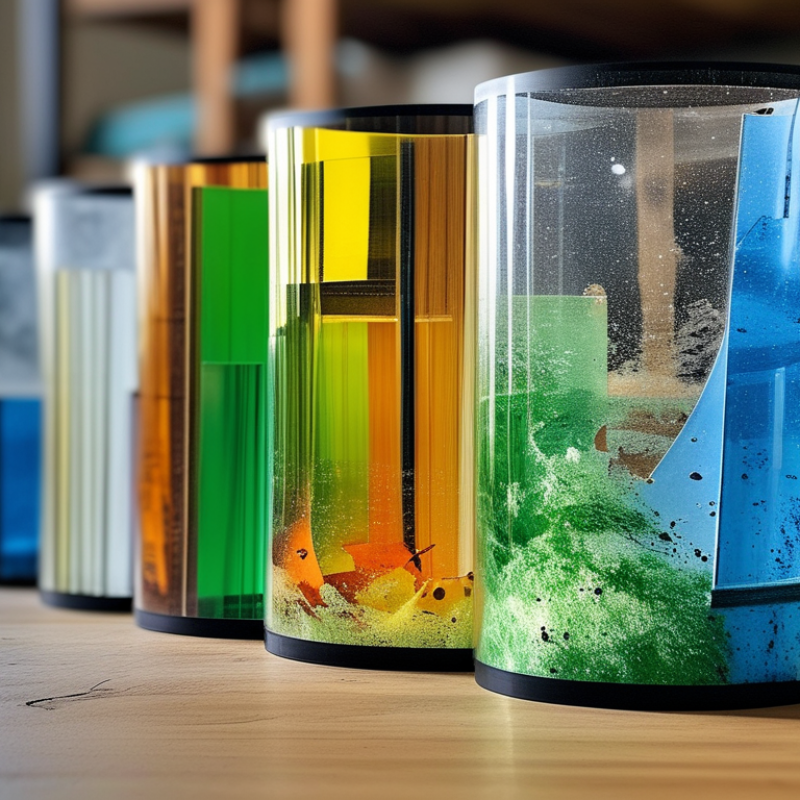
Overview of Modern FRP Materials and Their Uses
Modern fiber-reinforced polymer (FRP) materials are increasingly favored in various industries due to their unique properties. These materials combine lightweight functionality with high strength. Commonly, FRP consists of a polymer matrix reinforced with fibers, such as glass or carbon. This makes them ideal for applications like aerospace, automotive, and construction.
In construction, FRP is used for reinforcement in structures. It improves durability while reducing weight compared to traditional materials. Its resistance to corrosion extends the lifespan of buildings. However, the production of FRP can be energy-intensive. This raises questions about the overall sustainability of these materials. Moreover, recycling FRP remains a challenge, complicating its eco-friendliness.
Another area of application is in the automotive industry, where FRP enhances fuel efficiency. Lightweight components lead to better performance. Yet, the initial cost of FRP can be high, limiting its widespread use. Innovations are needed to create sustainable production and recycling methods. This ongoing development is crucial for enhancing the eco-friendliness of modern FRP materials.
Environmental Impact of Manufacturing FRP Products
The environmental impact of manufacturing fiber-reinforced polymer (FRP) products is a critical concern in today’s industrial landscape. According to a report by the Environmental Protection Agency, the production of FRP materials releases significant greenhouse gases. The process often relies on petrochemical sources, contributing to carbon emissions. In fact, studies show that each kilogram of FRP can result in up to 3.5 kilograms of CO2 emissions. This factor raises questions about the sustainability of FRP.
Recycling options for FRP are limited, posing another environmental challenge. Less than 10% of FRP products are currently recycled. The complex nature of the materials makes them difficult to process. Even with advanced techniques, like those proposed in recent industry studies, effective recycling solutions remain elusive. This points to a gap in sustainability practices.
Moreover, waste from FRP manufacturing can be highly toxic. Chemicals used during production may leach into the environment. Recent data suggests that improper disposal methods are often employed, leading to soil and water contamination concerns. This creates a need for stricter regulations and innovative approaches to minimize harm. Addressing these issues is vital for enhancing the eco-friendliness of modern FRP materials.
Sustainability Practices in FRP Material Production
Modern Fiber Reinforced Polymer (FRP) materials are gaining attention for their eco-friendliness, particularly in sustainable production practices. A report from the International Renewable Energy Agency (IRENA) highlights that using renewable resources can reduce carbon footprints significantly. For instance, bio-based FRP composites partly made from natural fibers result in up to 70% less CO2 emissions compared to traditional materials.
In the production phase, companies are gradually shifting towards using recycled raw materials. Research shows that utilizing recycled plastics in FRP can decrease energy consumption by up to 40%. These practices are crucial as the construction and automotive sectors are the largest consumers of FRP; thus, sustainable options in these industries could lead to considerable environmental improvements. However, the recycling process itself poses challenges. Many facilities lack proper methods to handle complex FRP waste, leading to environmental concerns.
Despite advancements, the industry's reliance on petroleum-based resins remains a significant hurdle. The production of these resins contributes to greenhouse gas emissions. Innovative alternatives are in development, but mainstream adoption still needs momentum. Ongoing research and development aim to enhance these sustainable practices while addressing current limitations. Achieving a balance between performance and environmental responsibility remains a key focus for future growth in the FRP sector.
Recyclability and Disposal of FRP Materials
The recyclability of modern fiber-reinforced polymer (FRP) materials presents both opportunities and challenges. FRP is known for its durability and lightweight characteristics, yet these same traits make recycling a complex process. Many FRP composites are not easily recyclable due to their thermoset resins, which harden permanently. This means that traditional recycling methods often cannot be applied, leading to an accumulation of waste.
Efforts are underway to develop more sustainable FRP options. Some companies are exploring thermoplastic composites that can be melted and reshaped. This approach could enhance the recyclability of these materials. Additionally, innovative methods, like grinding FRP waste into granules, can lead to secondary applications. However, these solutions are still in their infancy and require further development and investment.
Despite progress, there are significant gaps in FRP waste management systems. The industry must address issues related to disposal and environmental impact. Many disposal methods involve incineration, which raises air quality concerns. This highlights the need for more effective recycling programs and less harmful disposal techniques. Balancing performance and eco-friendliness remains a challenge. Continued research and collaboration are essential for driving change in this field.
Comparative Analysis of FRP and Traditional Materials in Eco-friendliness
The eco-friendliness of modern fiber-reinforced polymer (FRP) materials has gained significant attention. Compared to traditional materials like steel and concrete, FRP offers benefits but also raises critical questions. FRP is lightweight and can reduce energy consumption in transportation. This characteristic, while advantageous, can lead to environmental concerns during production.
Traditional materials have a long history of use, yet they require substantial energy and natural resources. For example, producing steel generates considerable carbon emissions. In contrast, FRP can often be made from recycled materials, which may lower its ecological impact. However, the production process itself can still involve harmful chemicals, creating trade-offs that deserve consideration.
Despite its innovative characteristics, the long-term effects of FRP on the environment remain uncertain. Many FRP products are not biodegradable, leading to concerns about waste management. As industries shift towards more sustainable practices, evaluating the full life cycle of FRP materials is essential. This comparative analysis highlights the need for ongoing research and reflection on how we can improve eco-friendliness in modern materials.
FAQS
: FRP materials are lightweight composites made of polymers and fibers, like glass or carbon. They are strong and durable.
In construction, FRP reinforces structures, improving durability and reducing weight. It resists corrosion, extending building lifespans.
Production of FRP can be energy-intensive. Recycling is difficult, raising questions about its overall environmental impact.
FRP boosts fuel efficiency through lightweight components. This leads to better vehicle performance but comes with high initial costs.
Using renewable resources and recycled materials can significantly lower carbon footprints and energy consumption in FRP production.
Many FRP composites use thermoset resins, which harden permanently and complicate traditional recycling methods.
Companies are investigating thermoplastic composites that can be melted for reshaping, improving recycling potential.
Current FRP waste management is lacking, with many methods involving incineration, posing air quality concerns.
There is a need for better recycling programs and less harmful disposal techniques to manage FRP waste effectively.
Balancing performance with environmental responsibility remains essential for the ongoing development of FRP materials.
Conclusion
The article titled "What is the eco-friendliness of modern FRP materials?" explores the environmental aspects of fiber-reinforced polymer (FRP) materials. It begins by offering an overview of modern FRP materials and their wide range of applications across various industries. The discussion then shifts to the environmental impact associated with the manufacturing processes of FRP products, highlighting concerns such as energy consumption and carbon emissions.
Additionally, the article delves into sustainability practices within the production of FRP materials, emphasizing efforts to minimize negative environmental effects. The recyclability and disposal methods of FRP materials are also examined, illustrating the challenges and potential solutions for reducing waste. Finally, a comparative analysis between the eco-friendliness of FRP and traditional materials is presented, providing insight into the advantages and disadvantages of each in terms of environmental sustainability. Overall, the article aims to assess the eco-friendliness of modern FRP materials and their role in promoting sustainable development.

 Stora Decor