Creating a custom life-size sculpture can be an exciting endeavor. However, many prospective buyers often find themselves asking, "How much does a custom life-size sculpture cost?" The answer can vary significantly based on several factors. A recent industry report indicates that the price range for such sculptures typically spans from $5,000 to $50,000 or more, depending on the artist's expertise and the materials used.
Artisans often charge based on their experience and skill. For instance, well-established artists may command higher fees. Additionally, the intricacy of the design and the time required for completion play crucial roles in pricing. If you're looking for specific details, remember that sculpting in bronze may cost more than in wood or clay.
Moreover, commissioning art involves more than just the final price. There are emotions and stories woven into each piece. It's essential to consider your unique vision and how it aligns with the artist's capabilities. Some commissions end in disappointment, highlighting the need for clear communication and expectation management. Balancing creativity with budget is key in this decision-making process.
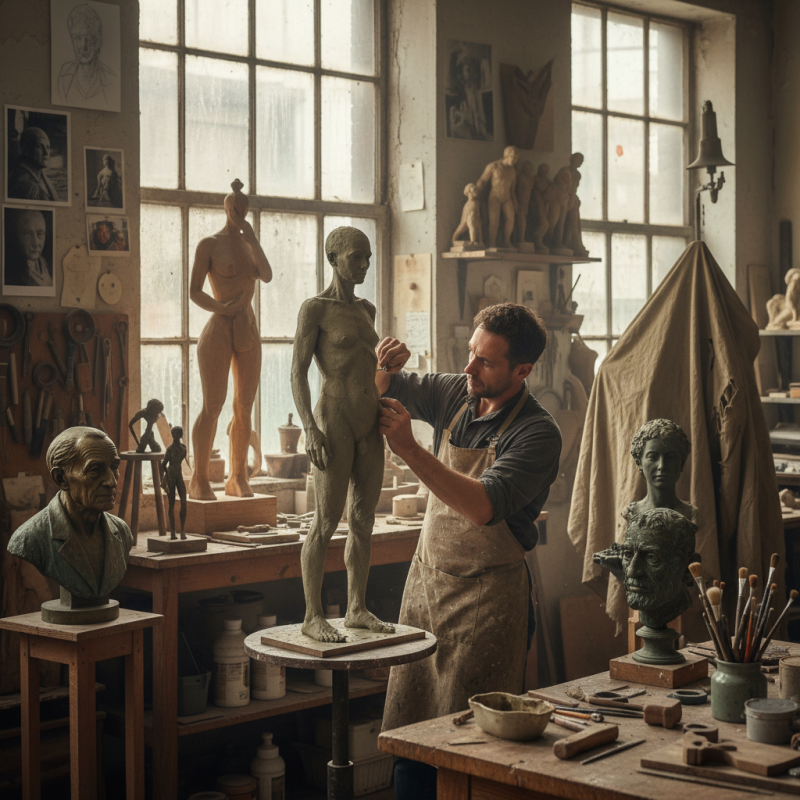
When considering a life-size custom sculpture, several factors impact the overall cost. The artist’s experience plays a critical role. Highly skilled sculptors often charge premium rates due to their expertise. According to a 2021 survey by the National Sculpture Society, top artisans can command anywhere from $200 to $500 per hour. Less experienced artists may charge significantly less, but this often reflects in the final piece.
Materials also greatly influence the price. Common substances like clay or resin are more affordable than metals like bronze or stainless steel. A bronze sculpture can cost 30% more due to the materials and the intricate casting process involved. Labor, especially for larger and more complex sculptures, adds to the expense. For instance, creating a detailed life-size figure can take several weeks of labor, leading to higher quotes in the industry.
Location and installation logistics must be considered too. Shipping a completed sculpture internationally adds costs that can inflate the overall budget. Installation often requires specialized equipment or additional labor, further complicating the final price. Art buyers should budget not just for the sculpture itself, but for all related expenses that can unexpectedly escalate the project’s cost. Understanding these factors is crucial before committing to a custom sculpture.
Creating a life-size custom sculpture involves several materials, each influencing the overall cost significantly. Common materials include
bronze, marble, clay, and resin. Bronze is popular for its durability and aesthetic appeal.
However, it can be quite expensive due to the casting process. Marble, while stunning, also tends to be costly, often reflecting
the intricacy required to carve it.
Resin sculptures offer a more affordable alternative, but they may not have the same longevity or classic feel as traditional materials.
The choice of material also affects the artist's labor and time. For instance, sculpting in clay is typically a faster process,
while detailed stone work demands skill and patience. This can result in varying price points, even for sculptures of the same size.
It's crucial to reflect on your goals and budget when selecting the material. What is the sculpture's purpose? Will it be displayed
outdoors or indoors? Understanding these factors can guide your choice. Additionally, consider the artist's experience.
More seasoned artists may charge more, but their expertise often leads to superior craftsmanship and durability. Choosing the right material
not only influences the cost but also the lasting impact of your sculpture.
Labor costs for custom sculptures can vary widely. An artist's fee often ranges from $50 to over $200 per hour. This depends on their experience and the complexity of the work. Many artists consider factors such as materials, size, and design intricacy. For instance, a basic design may take less time than a highly detailed one.
According to a 2022 industry report, 60% of sculptors cited labor intensity as a major cost driver. Projects requiring advanced skills can lead to higher fees. In addition, smaller studios may charge differently than larger galleries. Clients often overlook the time involved in sketching and planning. Each stage of the process demands a different level of expertise.
While some artists offer a flat rate, others focus on hourly billing. It’s essential to clarify costs beforehand. Miscommunication can lead to frustration later. The artistic journey is not always linear. Adjustments often arise during the creation process. Understanding these factors is crucial for those investing in custom sculptures.
When considering a life-size custom sculpture, it's essential to be mindful of additional expenses beyond the base cost. Sculpting materials typically include clay, resin, or metal, each with varying price points. If you choose bronze, for example, the cost of raw materials can quickly escalate. It's also important to factor in the artist's labor and expertise. A seasoned artist may charge significantly more than a beginner. Their unique skills often translate into a distinct piece that showcases attention to detail.
Logistics can also add to your budget. Shipping fees for large sculptures can be substantial, especially if the piece needs to be crated for transport. Installation costs can vary too. Some sculptures require special mounting or landscaping to properly display them. Even permits might be necessary depending on where you plan to place the sculpture. Each of these considerations accumulates and may transform your initial budget into a much larger figure.
Remember, budgeting for a life-size custom sculpture involves more than just the upfront costs. It's about envisioning the entire process. Unexpected expenses can arise. Perhaps the artist encounters challenges that extend the timeline. Or, the selected materials may take longer to procure. Being prepared for these possibilities can save you stress as you bring your artistic vision to life.
When considering the cost of a life-size custom sculpture, understanding the price differences between commissioned and pre-made options is essential. Custom sculptors often charge between $5,000 and $50,000, depending on complexity, materials, and the artist's reputation. On the other hand, pre-made sculptures may range from $500 to $5,000, providing an affordable alternative for various budgets. However, pre-made options may lack the personal touch and unique features of commissioned pieces.
A study by the Fine Art Committee reveals that commissioned art often appreciates over time. Approximately 70% of collectors see value in bespoke pieces compared to mass-produced art. Yet, commissioning art does involve risks—artists may not always deliver as promised, leading to potential disappointments. It's crucial to vet artists thoroughly and communicate expectations clearly to mitigate these risks.
Ultimately, both commissioned and pre-made sculptures have their place in the art market. Each option caters to different tastes, budgets, and desired aesthetics. A thoughtful decision will hinge on an individual's needs and the intention behind acquiring a sculpture. Balancing personalization with cost-effectiveness is a challenging yet rewarding endeavor.
: Common materials include bronze, marble, clay, and resin. Each affects the sculpture's cost.
Materials like bronze and marble are often costly due to their durability and intricate work.
Yes, resin sculptures can be an affordable alternative but may lack longevity compared to traditional materials.
Pricing depends on complexity, materials, and the artist’s reputation, ranging from $5,000 to $50,000.
Pre-made sculptures are cheaper, typically between $500 and $5,000, but lack a personal touch.
Yes, many collectors find that commissioned art appreciates over time, adding potential value.
Reflect on the sculpture's purpose, display location, and ensure clear communication with the artist.
Artists may not always meet expectations, leading to potential disappointments, so vetting is crucial.
Research artists thoroughly and understand their experience level to increase the potential for superior craftsmanship.
Personalization adds unique features and deeper meaning, but balancing that with budget considerations is challenging.
When considering the question, "How much does a custom life-size sculpture cost?", several factors come into play. The materials chosen for the sculpture significantly affect the overall price, as various options like bronze, stone, or resin offer different aesthetic qualities and durability. Additionally, labor costs must be taken into account, as the fees associated with hiring skilled artists vary based on their experience and the complexity of the work.
Beyond materials and labor, there are often additional expenses tied to custom sculpture projects, which may include transportation, installation, and maintenance. Lastly, it is essential to compare the costs of commissioning a custom piece versus purchasing pre-made sculptures, as the former may offer more personalized details but typically comes at a higher price point. Understanding these elements helps prospective buyers make informed decisions regarding their investment in life-size custom sculptures.
