Refinishing fiberglass reinforced plastic (FRP) sculptures is a delicate task. Artists and restorers often ponder the question: What is the best paint for refinishing FRP sculptures? The right choice not only enhances aesthetics but also ensures longevity. Selecting a suitable paint requires a solid understanding of materials and techniques.
Different paints offer various advantages. Some are more durable and resistant to weathering. Others excel in color retention and finish. Understanding these factors is crucial. An expert might recommend specific brands, but personal testing is often necessary. This can lead to unexpected results, revealing nuances in the painting process.
Many buyers look for reliable products. However, the market is flooded with options. Not all paints are created equal. A trusted recommendation can help narrow down choices. Still, one must consider the unique characteristics of the sculpture. Each piece may demand a different approach. Balancing artistic vision and practical needs is essential.
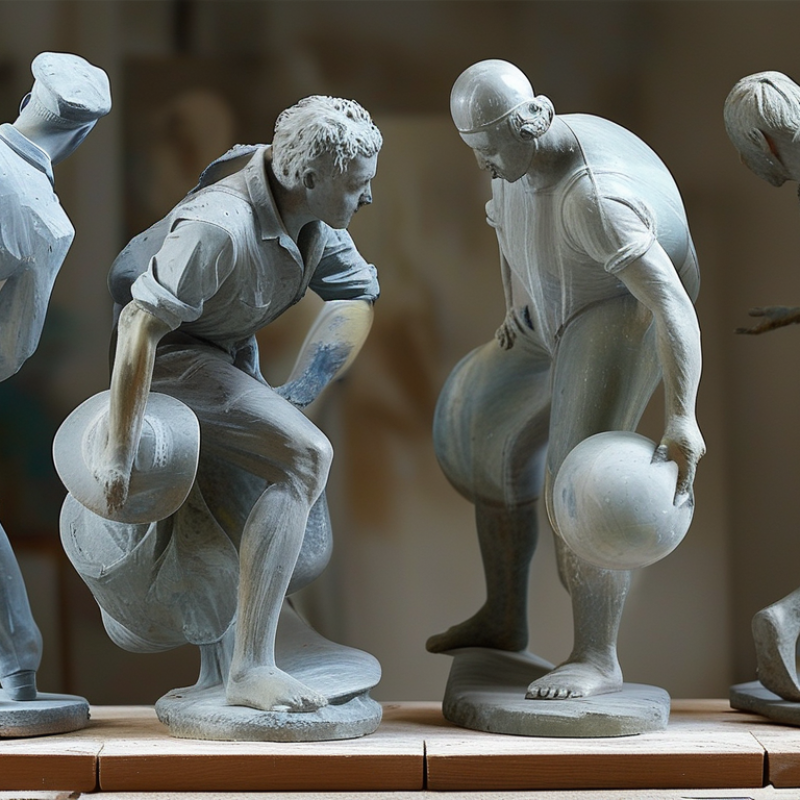
Factors to Consider When Choosing Paint for FRP Sculptures
When selecting paint for refining FRP sculptures, several factors should be prioritized. The surface preparation is crucial. A clean and smooth surface ensures better adhesion. Always use a fine-grit sandpaper to remove any previous paint or imperfections. This will allow the new paint to grip effectively.
The type of paint is also essential. Acrylic paints are popular for FRP sculptures, as they provide excellent coverage. Look for paints labeled as suitable for plastic or fiberglass. These options often contain binders that enhance durability and weather resistance. Some paints offer a satin or matte finish, which can hide surface imperfections better than glossy finishes.
Consider the environment where the sculpture will be displayed. If exposed to harsh sunlight or rain, choose paint specifically designed for outdoor conditions. This type of paint usually includes UV protection and is water-resistant. Another aspect to reflect upon is color choice. Dark colors can absorb more heat, potentially leading to expansion and cracking in the material over time.
Pay attention to drying times, as well. Investing in a faster drying paint can help complete the project quicker. Always test a small area first to ensure compatibility with the FRP surface. These considerations help achieve a professional-looking finish while extending the life of your sculpture.
Types of Paint Suitable for Refinishing FRP Sculptures
When refinishing FRP (Fiberglass Reinforced Plastic) sculptures, selecting the right type of paint is crucial. Acrylic and polyurethane paints are often recommended for their durability and flexibility. These paints adhere well to FRP surfaces, offering resistance against weather and fading. Moreover, they provide a smooth finish that enhances the sculpture's aesthetic appeal. However, it's essential to ensure proper preparation before applying any paint.
Surface preparation is often overlooked. Make sure to clean the sculpture thoroughly to remove dust and grease. Sanding the surface can also create a better grip for the paint. Some artists have reported issues with peeling paint due to inadequate prep work. Using a primer specifically designed for plastic can improve adhesion. Pay attention to drying times between coats. This can drastically affect the final outcome.
Some users find that experimenting with various paint types can yield different results. For instance, some prefer matt finishes for a more subdued look, while others opt for glossy finishes to enhance colors. Balancing the finish with the intended display setting can be challenging. Each choice reflects personal artistic vision. Achieving the desired look might require numerous trials. Stay patient and open to feedback about the finished piece.
Preparation Steps Before Painting FRP Sculptures
Preparing to paint FRP (Fiberglass Reinforced Plastic) sculptures requires careful attention. First, evaluate the surface of the sculpture. Look for any cracks or damage. Even small imperfections can affect the final appearance. Filling these gaps with an appropriate filler is essential. Don’t rush this step; proper filling ensures a smooth finish.
Thorough cleaning is another important step. Wash the sculpture with warm, soapy water to remove dirt, oils, and dust. After rinsing, let it dry completely. You might want to use a fine-grit sandpaper to scuff the surface slightly. This helps the paint adhere better. Pay attention to areas that might trap moisture. Moisture can lead to peeling paint, which is frustrating.
Consider the environment where you will paint. Ensure that you are in a well-ventilated area. Poor ventilation can affect paint curing. If you cannot paint indoors, choose a calm day to avoid dust and debris. Preparing your workspace is just as crucial as preparing the sculpture itself. A clutter-free space will help you focus on details. The process may feel tedious, but attention to detail will significantly enhance the outcome of your project.
Application Techniques for Achieving a Smooth Finish
When refinishing FRP sculptures, achieving a smooth finish is vital for aesthetics and durability. Proper surface preparation is the first step. This includes cleaning and sanding the surface to remove any existing grime, old paint, or imperfections. According to a report from the Coatings Technology Journal, preparing surfaces can enhance paint adhesion by up to 75%.
After preparing the surface, it's crucial to choose the right application technique. Spray painting often yields a smoother finish compared to brush application. Utilizing a spray gun helps to distribute paint evenly, minimizing brush strokes and eliminating bubbles. It’s essential to maintain a consistent distance from the sculpture while spraying, ideally between 6-12 inches.
Consider these tips: Always work in a well-ventilated area to avoid inhalation of fumes. Use multiple thin coats rather than one thick layer of paint. This can prevent drips and ensure a more uniform appearance. Many artists find experimenting with different nozzle sizes can influence the finish. A smaller nozzle often means finer control but requires steadier hands. Remember, even professionals refine their techniques over time. Continuous learning can lead to improvements in your finishing skills.
Best Paint for Refinishing FRP Sculptures
Post-Painting Care and Maintenance of FRP Sculptures
Maintaining the aesthetic appeal of FRP sculptures is essential for longevity. After repainting, proper care is crucial. Clean the surface gently with a soft cloth and mild soap. This removes dust without damaging the paint. Harsh chemicals can lead to fading. Sunlight can also affect colors. Consider placing sculptures in shaded areas or use UV protective coatings.
Regular inspections are vital. Keep an eye out for chips or cracks. Small damage can worsen over time. Address these issues promptly to avoid costly repairs. When it rains, ensure the water doesn’t pool in areas of the sculpture. Drainage is important for longevity.
Taking time for maintenance can be a quiet moment of reflection. Observe the sculpture as you care for it. Each mark or imperfection tells a story—embrace those imperfections. They remind us that even art requires attention. These steps may seem simple but can make a significant difference. Overall care enhances the beauty of your FRP sculptures, allowing them to shine in any setting.
Best Paint for Refinishing FRP Sculptures for Global Buyers? - Post-Painting Care and Maintenance of FRP Sculptures
| Dimension |
Details |
| Recommended Paint Type |
Acrylic-based paint |
| Best Finish |
Matte or satin |
| Application Method |
Spray application for even coating |
| Surface Preparation |
Clean and sand the surface before painting |
| Curing Time |
24-48 hours for full curing |
| Post-Painting Care |
Avoid harsh chemicals; clean with mild soap |
| Maintenance Frequency |
Every 6-12 months for touch-ups |
| Weather Resistance |
UV and moisture resistant recommended |
Conclusion
When considering the question, "What is the best paint for refinishing FRP sculptures?" it is essential to evaluate several factors such as paint durability, adhesion, and finish quality. Types of paint that are suitable include acrylic, polyurethane, and epoxy, each offering unique benefits for FRP materials. Proper surface preparation is crucial; this involves cleaning, sanding, and priming the sculptures to ensure a strong bond between the paint and the surface.
To achieve a smooth finish, application techniques play a vital role. Using spray methods or high-quality brushes can enhance the final appearance, while post-painting care, including regular cleaning and protective coatings, helps maintain the sculptures' look over time. Ultimately, the selection of the right paint and application approach will significantly influence the longevity and aesthetic appeal of FRP sculptures.

 Stora Decor